

Fifteen years of building opportunity in New Orleans
The story of a coordinated effort to support young people ages 16–24 who were disconnected from school and work — historically called Opportunity Youth.
Have a win or a story to add? Share it →Listen: the story in five minutes
The story, in five minutes
From coordinated efforts to an integrated ecosystem
A high-level look at the moments that shaped this work. Select any stop to see what happened.
2010–13 · A rallying call for better outcomes
National attention turns into local urgency.
- The White House Council for Community Solutions names 6.7 million disconnected young people a national crisis
- New Orleans funders — Baptist Community Ministries, JPMorgan Chase, W.K. Kellogg Foundation — begin organizing locally
- A 2013 report finds 52% of Black boys and young men in New Orleans out of the labor force
Read more →
- In 2012, the Aspen Institute launches the Opportunity Youth Incentive Fund (OYIF), backed by the Bill and Melinda Gates Foundation, the Rockefeller Foundation, Bloomberg Philanthropies, and others
- In 2013, Aspen's OYIF provides $500,000 to communities nationally, with the Partnership for Youth Development (PYD) in New Orleans as a recipient
- On the 10th anniversary of Hurricane Katrina, the city wrestled publicly with unequal economic recovery; in 2014, Mayor Mitch Landrieu announced a citywide economic opportunity strategy
2015 · YouthShift NOLA and five founding priorities
200 organizations align around one shared framework for the first time.
- Baptist Community Ministries and the Partnership for Youth Development (PYD) launch YouthShift NOLA
- Four founding priorities set: data & research, backbone supports, program quality, youth voice
Read more →
- YouthShift adopted a whole-child, collective-impact approach for New Orleanians ages birth to 25, with support from the national nonprofit Forum for Youth Investment (FYI)
- Key data cited at launch: 1 in 3 of the city's 78,000 youth lived in poverty; 18% of 16–24 year olds were neither working nor in school
2016–19 · Coordinating efforts take shape
Shared infrastructure gets built for the first time.
- EMPLOY (Employment and Mobility Pathways Linked for Opportunity Youth) launches as the city's first coordinating hub for data and pathways
- New Orleans gets its first reliable count of opportunity youth
- The New Orleans Youth Program Quality Initiative (YPQI) grows from a pilot to 31 organizations
- Opportunity Works helps ~500 young people move from high school equivalency (HiSET) programs into college and careers
Read more →
- EMPLOY was funded by the Aspen Institute's OYIF and led jointly by PYD and the Cowen Institute for Public Education Initiatives at Tulane University
- The Cowen Institute's 2016 report, No Longer Invisible, estimated 6,820 opportunity youth in the city that year
- NOLA-YPQI is based on the David P. Weikart Center's youth program quality model, used by more than 4,000 programs in 41 states
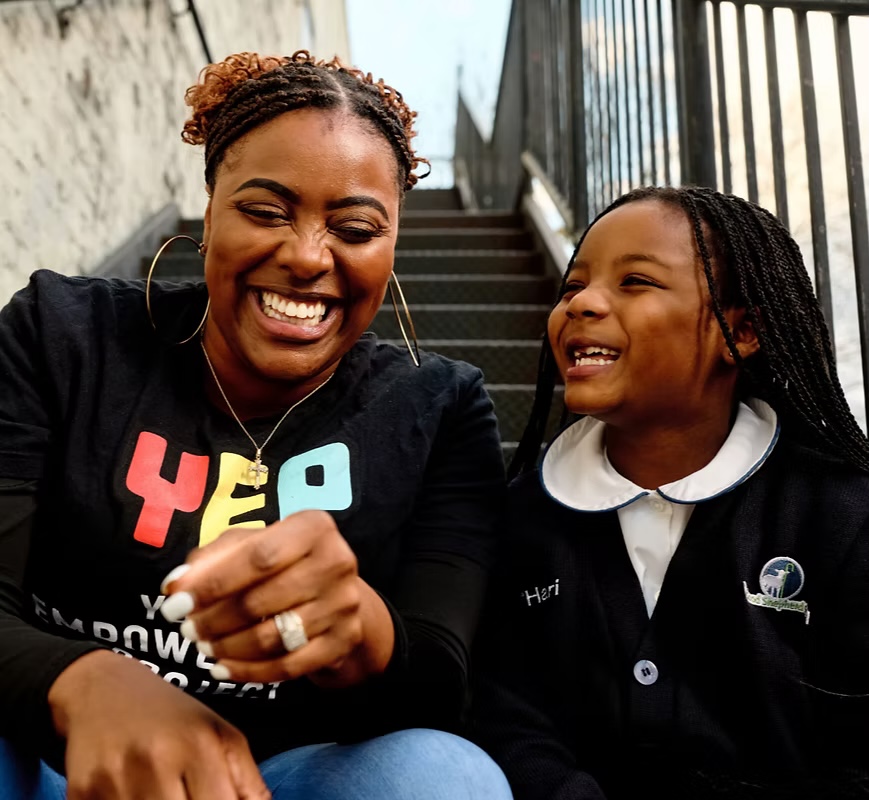
- Opportunity Works was delivered through four organizations under a "no-wrong-door" approach: the Cowen Institute, YEP, Liberty's Kitchen, and Bard College
2018–20 · Leadership transitions
Key anchors step back, and new leadership steps up.
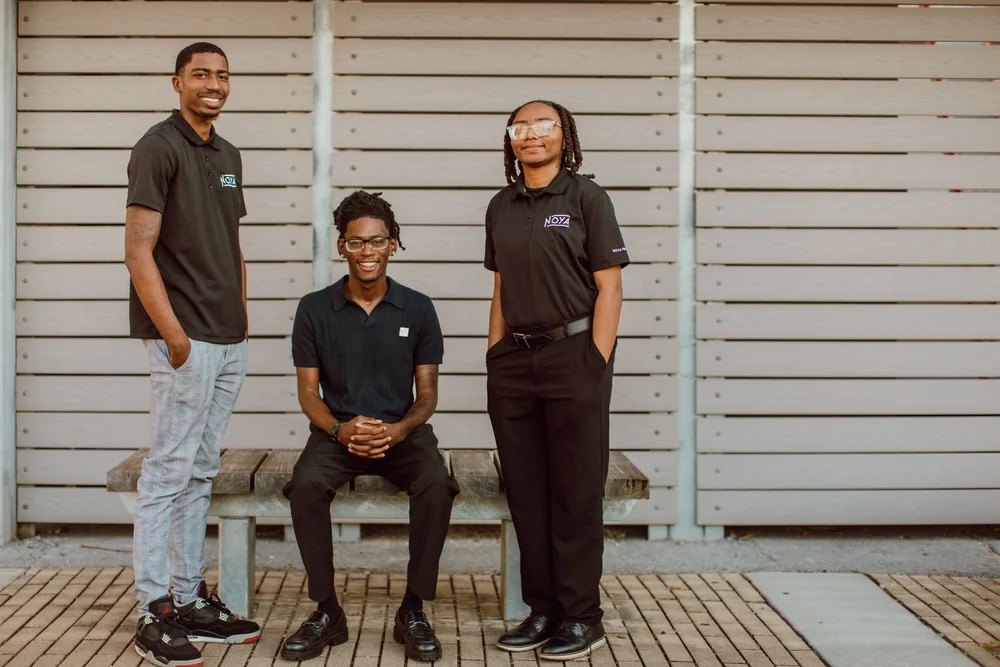
- NOYA and CYPB take on shared leadership of the work
Read more →
- In 2018, funders asked several stakeholders to apply to lead a newly formed OY collaborative; responsibilities fully transitioned to NOYA and CYPB
- EMPLOY sought a home outside the Cowen Institute but was unable to secure financial backing, and was ultimately sunset
- Baptist Community Ministries (BCM), a major early funder, shifted its focus to Early Childhood Education during this period
2021–23 · New capabilities take root
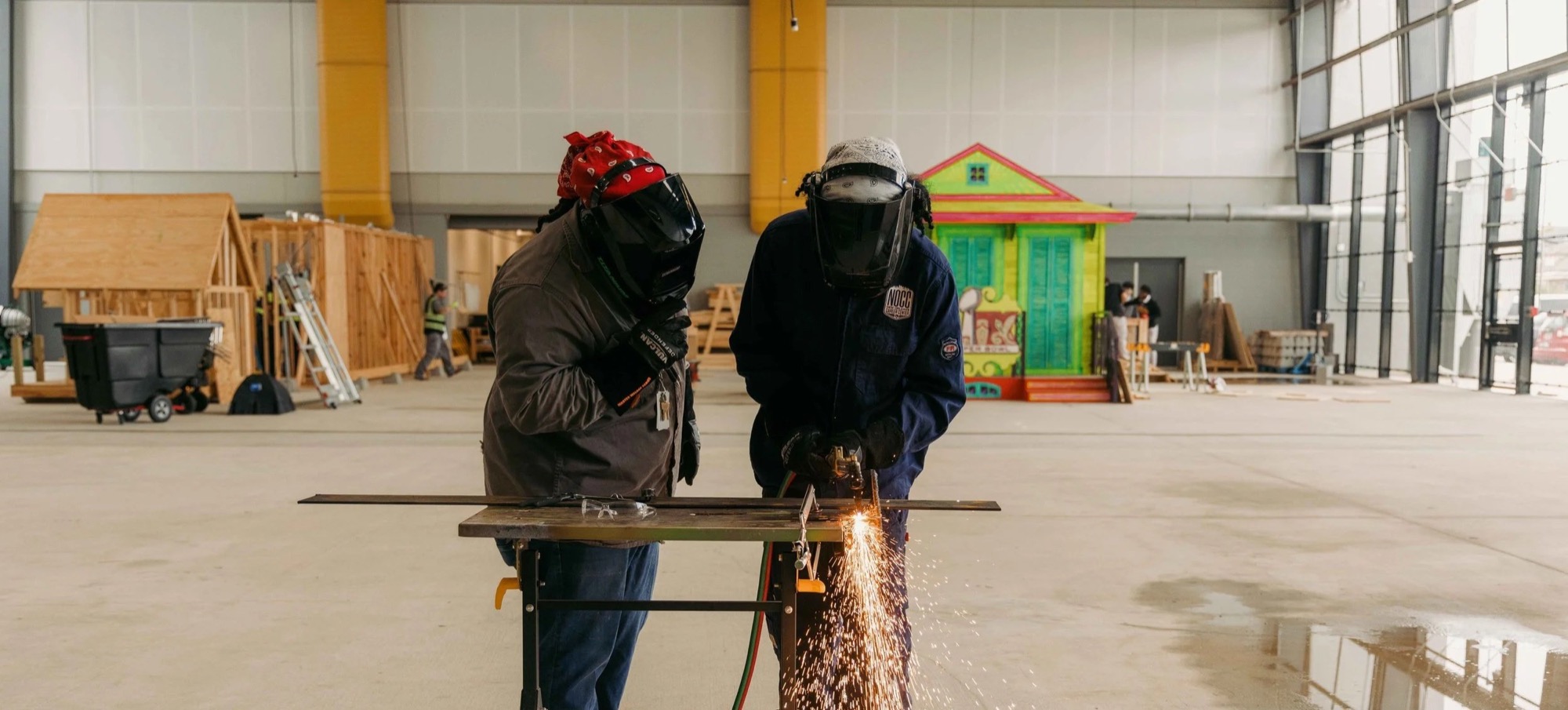
The New Orleans Career Center becomes a turning point.
- The New Orleans Career Center (NOCC) expands credentialing in the trades and healthcare, connecting youth directly to employers
- NOYA opens the Re-Engagement Center, uniting 18 partner organizations under one roof
- The Children's Bureau of New Orleans launches a new mental health peer-support model
- LA FIRST is signed into law, creating statewide data tracking for opportunity youth outcomes
Read more →
- NOCC's expanded credentials include NCCER core training plus specializations in electrical, welding, and HVAC, and healthcare credentials including EMT, Medical Assisting, and Pharmacy Technician
- NOCC's employer network includes Ochsner Health, LCMC Health, Broadmoor Construction, All-Star Electric, Clover, and United Way
- The Re-Engagement Center aims to reduce youth disconnection rates in New Orleans by 7% by 2026
- LA FIRST is housed at the Kathleen Babineaux Blanco Public Policy Center at UL-Lafayette, and will publish annual reports on education-to-career transitions and outcomes
- In Year 8, the NOLA-YPQI network — grown to 46 partner organizations serving roughly 40,000 young people — bested national averages in all four program quality assessment domains for the first time
2024 · Integrated capabilities deliver key wins
Local work reaches the state legislature.
- Opportunity Pass launches free transit for youth 16–24, funded by $2.5 million in ARPA dollars
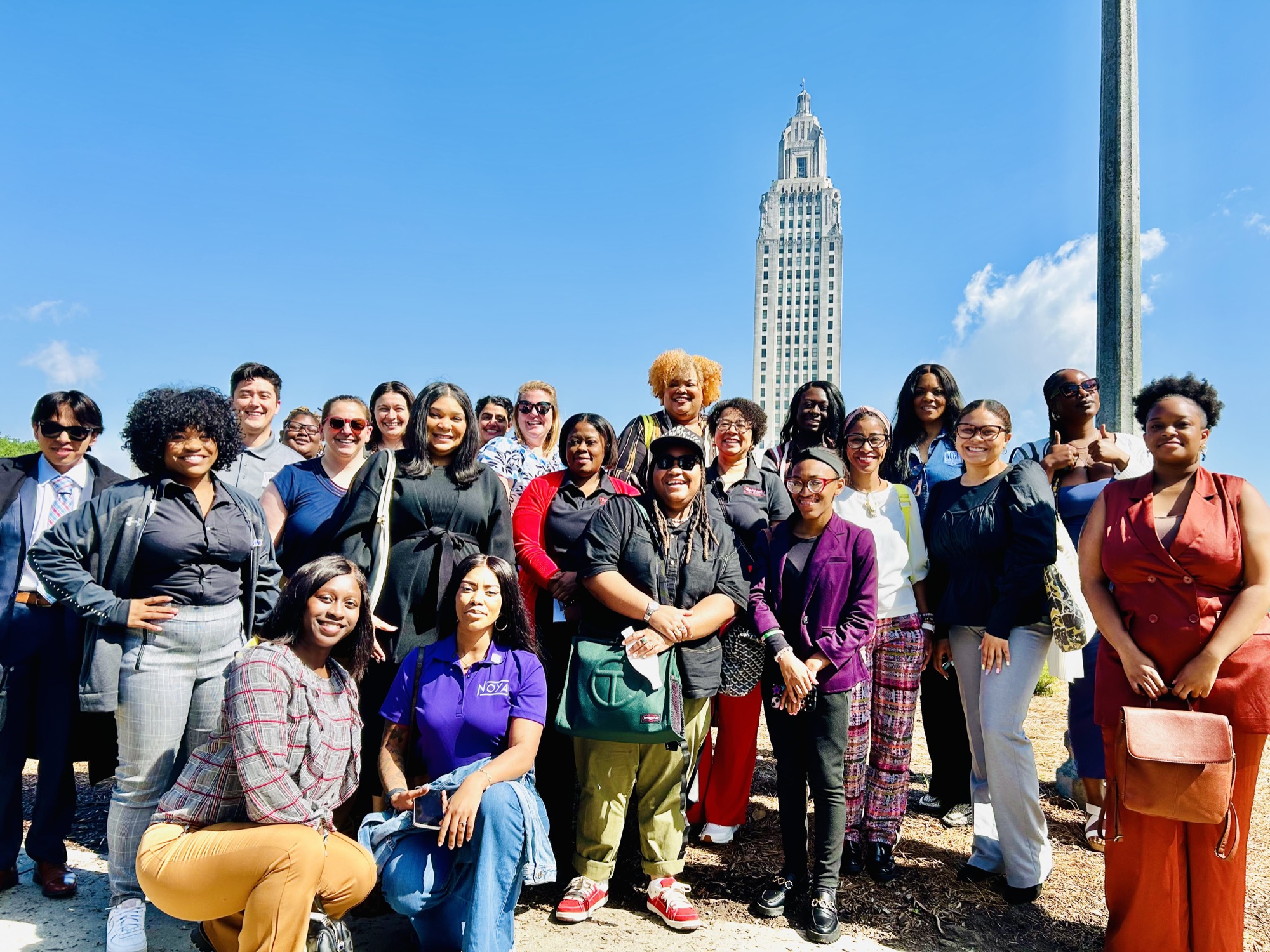
- Senate Resolution 47 (SR47) passes, creating the Louisiana Opportunity Youth Task Force
Read more →
- Opportunity Pass was youth-developed: transit ambassadors created the program's materials and processes, informed by youth focus groups
- The program is a multi-partner effort: the New Orleans Public Library administers sign-ups, Ride New Orleans manages outreach, CYPB supports program development, and the RTA distributes passes
- SR47 followed the 2024 OY Day at the Capitol, organized by the Louisiana Opportunity Youth Alliance (LOYAL)
- The Task Force includes LOYAL members, lived experts, and representatives from the Louisiana Workforce Commission, Department of Education, and other state agencies
Big bets, key wins
What this work has made possible
A curated set of wins from across the ecosystem. New wins are added as nonprofit partners share theirs.
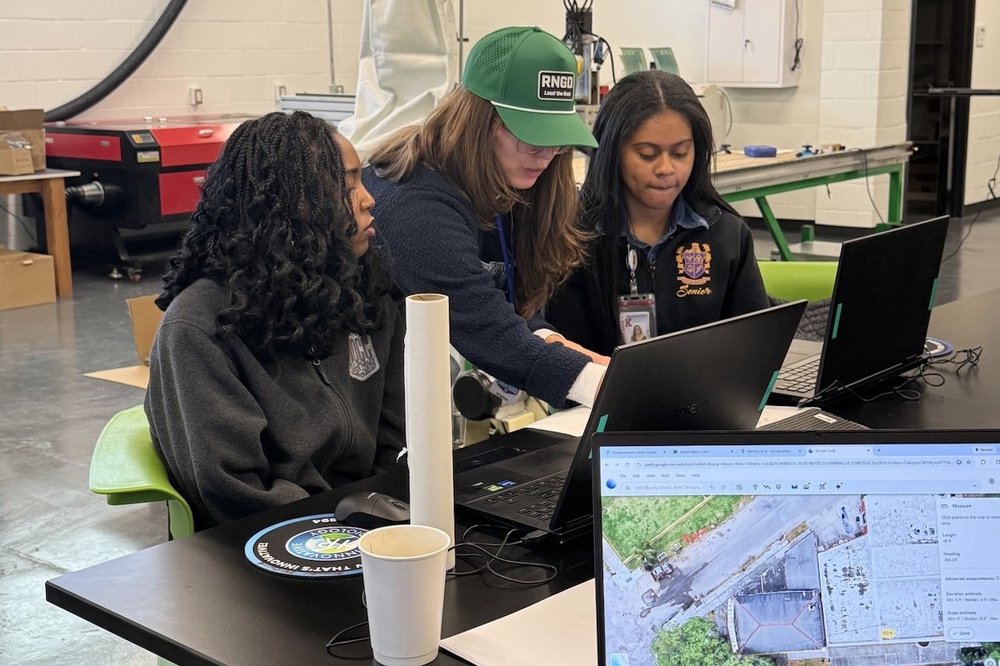
New Orleans Career Center expands
NOCC expands credentialing in the trades and healthcare, connecting trainees directly to employers.
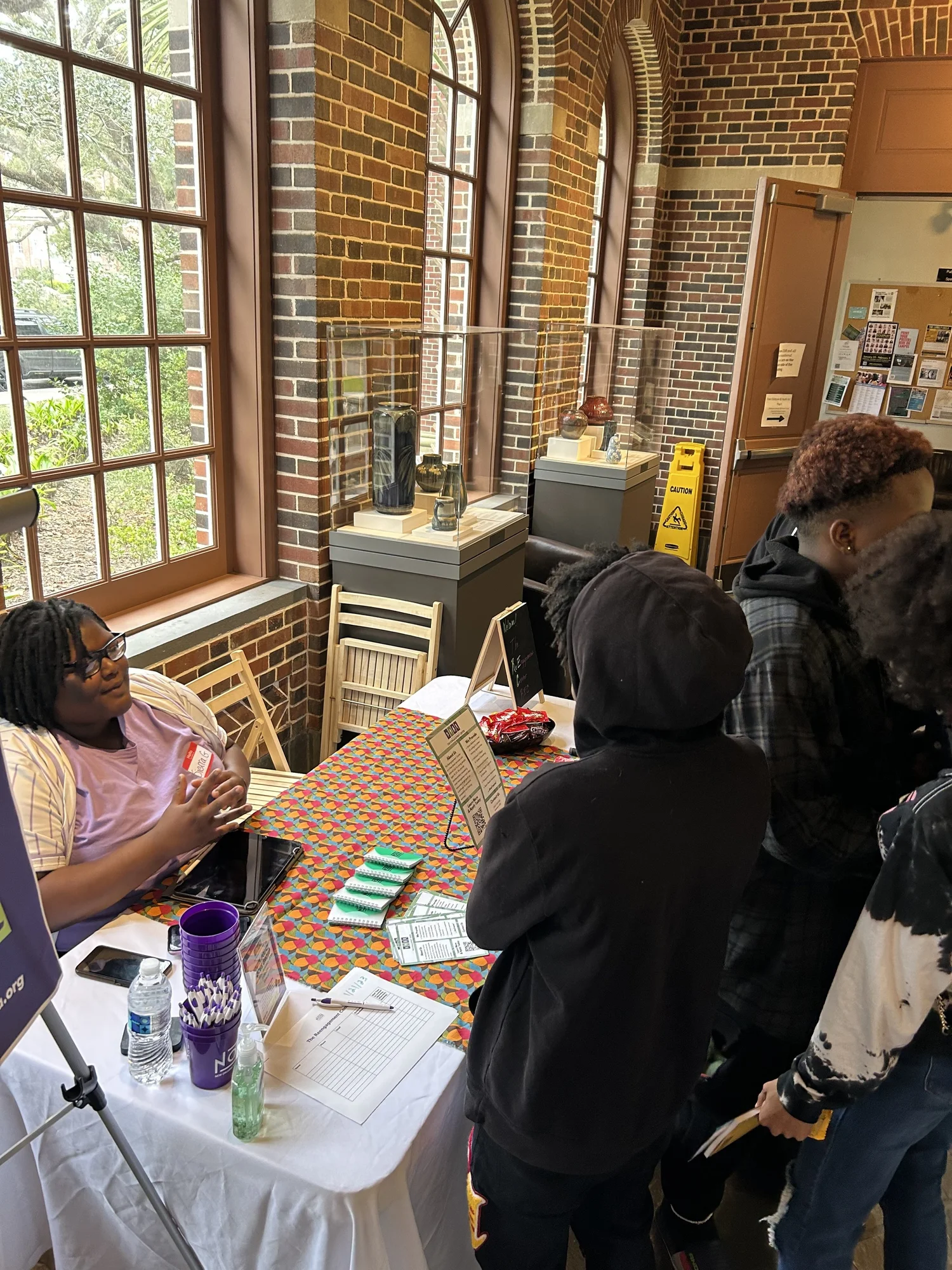
Re-Engagement Center
A free resource center connecting youth ages 16–24 to post-secondary opportunities and careers.
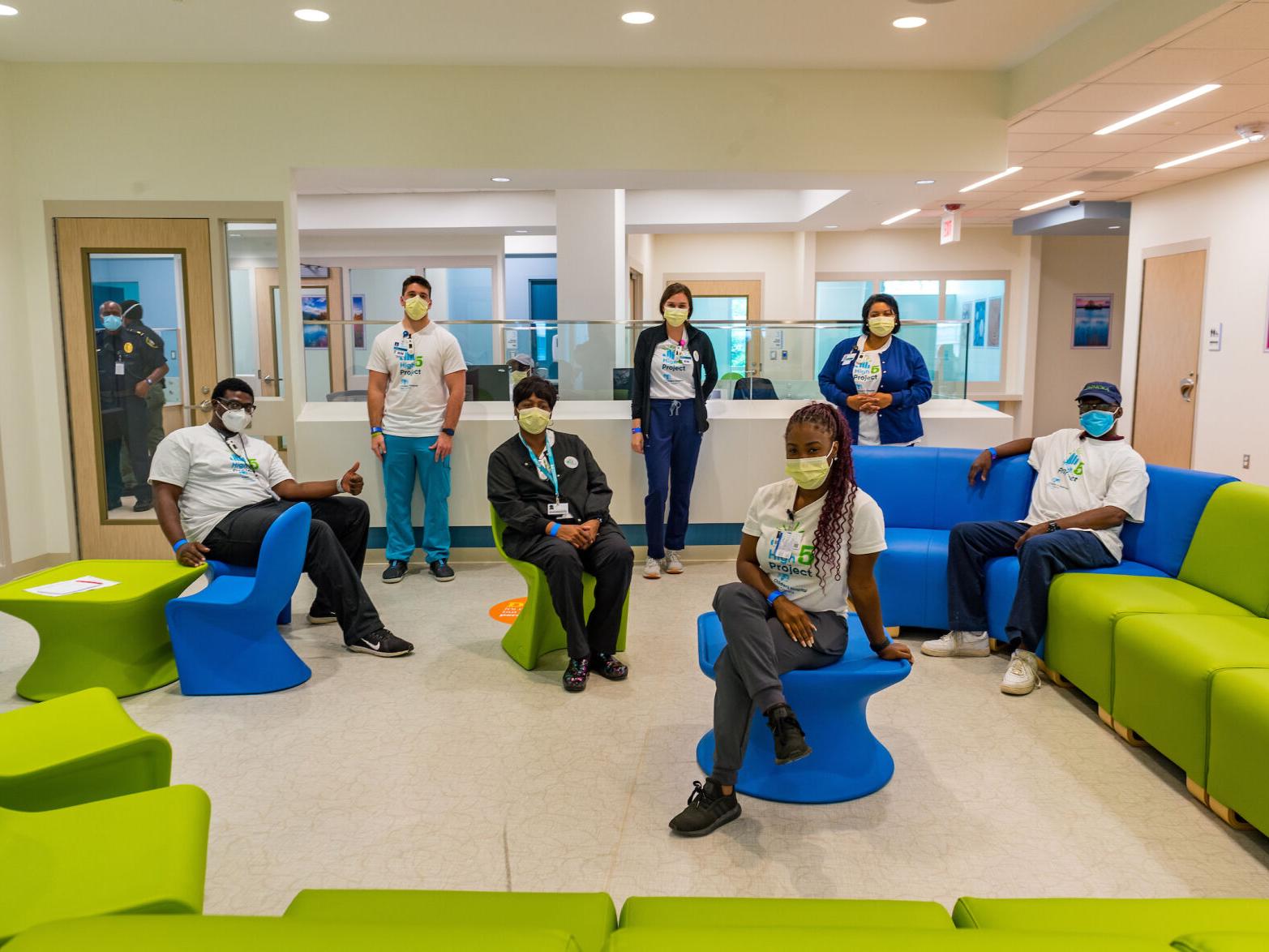
Community Mental Health Workers
A new peer-support model matching youth workforce participants with mental health support.
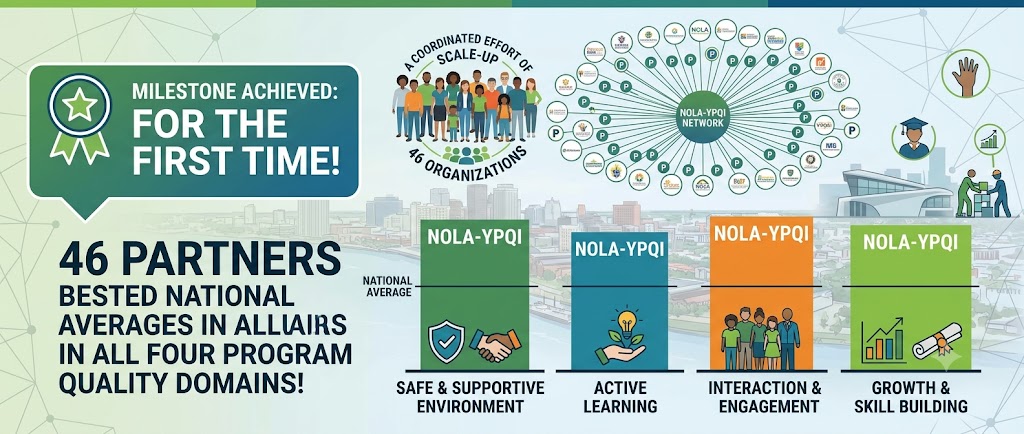
YPQI network scale
46 partners bested national averages in all four program quality domains for the first time.
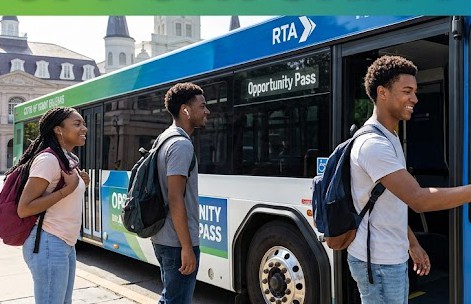
Opportunity Pass
Free RTA transit passes for youth ages 16–24, funded through $2.5M in ARPA dollars.
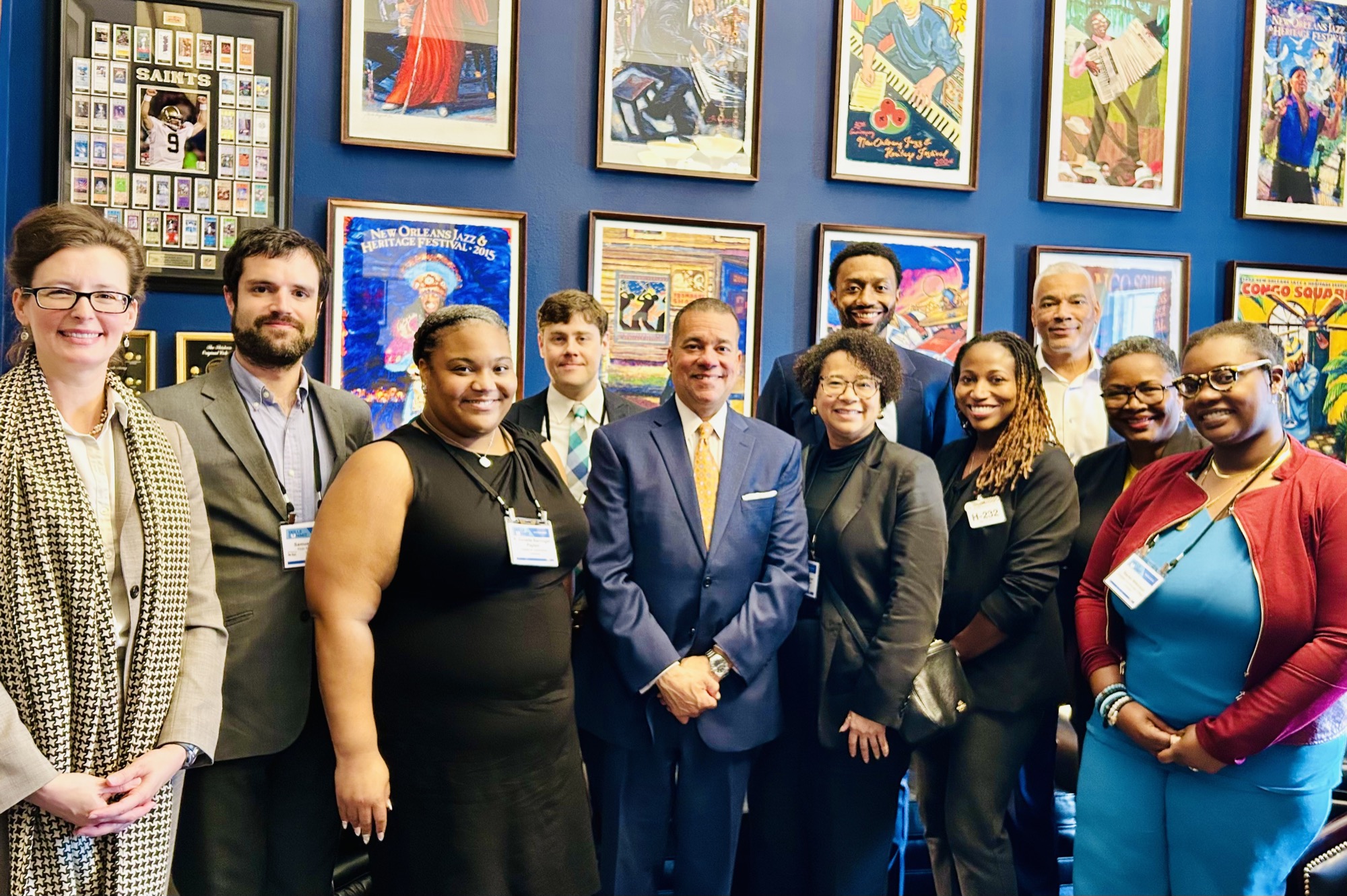
LOYAL and SR47
Passage of Senate Resolution 47 established the Louisiana Opportunity Youth Task Force.
The spine of this work
How the ecosystem's priorities evolved
From four founding priorities in 2015 to a more integrated set of capabilities today — plus one entirely new area of focus. Open any thread to see its own story.
Data & Research → Data Community of Practice From a shared case management tool orgs were hesitant to adopt, to six organizations setting ten common metrics for a collective dashboard.
In the early years, getting organizations to share data at all was the challenge. When Opportunity Youth-serving organizations were first asked to adopt a common case management system, many were hesitant — leaders worried that centralizing data would be used against them competitively, or affect future funding. It took time for that hesitation to turn into trust through sustained relationship-building.
- 2016 Organizations begin using a shared data platform (ETO) through the Opportunity Youth Data Sharing Collaborative, with real hesitancy about how the data would be used
- 2016 First rigorous local count of opportunity youth, published by the Cowen Institute
- 2024 Six organizations set ten common metrics for a shared collective-impact dashboard, led by the New Orleans Children & Youth Planning Board (CYPB)
“Data collection and collaboration happen at the speed of trust; sustainable funding is integral.”
Single-Anchor Backbone Support → Population Focused Backbone Supports From a single anchor organization, to a distributed set of backbone orgs each leading on a specific population's pathway.
For years, the ecosystem depended on a single anchor organization to hold funding and coordination together. EMPLOY was that anchor — the coordinating hub for data and pathways across the city. Over time, the model shifted: rather than one organization holding the center, multiple organizations now each lead on a specific population's pathway.
- 2014 EMPLOY (Employment and Mobility Pathways Linked for Opportunity Youth) launches as the ecosystem's central coordinating hub, funded by the Aspen Institute's OYIF and led by the Partnership for Youth Development (PYD) and the Cowen Institute
- 2018 NOLABA (the New Orleans Business Alliance) steps down as lead funder amid leadership change
- 2018 NOYA and CYPB take on shared leadership of the work going forward
- 2021–23 New Orleans Career Center (NOCC) becomes a dedicated anchor for workforce credentialing, connecting youth directly to employers like Ochsner Health and LCMC Health
- 2023 NOYA opens the Re-Engagement Center, uniting 18 partner organizations under one roof
- 2023 Children's Bureau of New Orleans launches Community Mental Health Workers, a new anchor for youth mental health support
“Different populations need different pathways. One-size-fits-all is a barrier, not a service.”
Piloting Program Quality → Robust Program Quality From a pilot with a handful of organizations, to a network of 46 partners besting national quality benchmarks for the first time.
Program quality work in New Orleans didn't happen overnight, and its own leaders are candid about that. What began as a small pilot with a handful of organizations took nearly a decade of steady investment — coaching, assessment, professional development — before it became something the rest of the country could learn from.
- 2015 NOLA Youth Program Quality Initiative (YPQI) launches
- 2017 Pilot doubles to 31 participating organizations
- 2023 Network grows to 46 partner organizations serving roughly 40,000 young people
- 2023 NOLA-YPQI bests national averages in all four program quality assessment domains for the first time ever
“These accomplishments have taken nearly a decade to realize. This work is not quick, and it can't be.”
Youth-Informed Programming → Youth Voice and Narrative Change From youth participation in program design, to young people training as storytellers reshaping how the whole city talks about opportunity.
Youth voice began as a design input — young people consulted on programs built primarily by adults. Over time, that input has become authorship: young people are now trained as journalists and storytellers, reshaping how the entire city talks about opportunity, not just how individual programs are designed.
- 2015–19 Youth participation becomes part of program design and development for some of the initiatives in the ecosystem
- 2023 CYPB, NOYA, and the Office of Youth and Families launch the Youth Master Plan, a 10-year roadmap for New Orleans youth built with young people, parents, and community leaders directly at the table
- Ongoing LEDE trains creative professionals ages 18–25 from underrepresented communities to transform New Orleans' local information ecosystem
- Ongoing Frameworks Institute trains ecosystem organizations on research-based narrative strategies, moving beyond labels like "Opportunity Youth" toward stories that highlight both challenges and potential
“We need to make sure that in the OY space, we create the ways that let the youth identify and create their value.”
Emerged, 2020–2025 Policy & Advocacy Policy and advocacy work takes time — and this priority emerged once the ecosystem's programmatic work grew strong and organized enough to demand change at the state level.
This priority emerged because the ecosystem's programmatic work became strong enough and organized enough to demand change at a policy level — bringing youth leaders and young people together to transform systems and tell their own stories. In a short span, that work reached the Louisiana state legislature.
- 2024 Opportunity Pass launches free transit for youth ages 16–24, funded by $2.5 million in ARPA dollars
- 2024 The Louisiana Opportunity Youth Alliance (LOYAL) forms to focus on narrative change and advocacy at the state level
- 2024 Senate Resolution 47 passes, establishing the Louisiana Opportunity Youth Task Force
“There's too much focus on individual change as opposed to systemic change.”
Voices
In their own words
Tap a star to hear a voice.
Click the title to open the constellation — each pattern star is a voice. Pan and zoom to explore the themes.
Click a voice to hear it here · drag to pan
Prefer a list? View voices by theme
Tap a theme, then a voice. Clips play when audio is ready.
Director, Re-engagement Center, New Orleans Youth Alliance (NOYA)
Talking about Frames herself as a practitioner first, then makes the case for longitudinal data on opportunity youth — asking what happens to the 25-year-old a year after the program ends, and what the collaborative's combined impact looks like versus any single organization's.
Funder Representative, JPMorgan Chase
Talking about Describes the funder-side interest in treating opportunity youth as a distinct population worth focusing on, the challenge of making that case in New Orleans, and how the collective impact framework and a longstanding Aspen partnership brought resources into the city.
Leadership, Children & Youth Planning Board (CYPB)
Talking about Describes why the policy work had to be reframed: the city had been investing almost solely in the system that touched under 1% of young people. Argues for using data to build a story about the whole birth-to-24 population — the 112,000, not the 1,200 — and to drive a collective investment strategy from it.
Senior Fellow, Aspen Institute Forum for Community Solutions
Talking about Describes the Cowen Institute's role as convener producing the city's landscape analysis on opportunity youth, and the leadership team's reconstitution around equity questions — including how data was being captured so the group could know its own impact.
Senior Fellow, Aspen Institute Forum for Community Solutions
Talking about Describes Aspen's shift toward supporting the transition of the local backbone organization — working closely with Hilton and JPMorgan Chase to select a new backbone and relaunch the cross-sector collaborative — and frames that transition as a normal part of the lifecycle of this kind of work rather than a failure.
Leadership, Children & Youth Planning Board (CYPB)
Talking about Describes her role in the New Orleans ecosystem as creating space for young people to participate and doing the power-sharing needed to shift how systems serve them — working through a collective impact model that brings together sector leaders and, now, young people themselves.
Foundation for Louisiana
Talking about Describes FFL's fiscal sponsorship role literally incubating the infrastructure: NOYA began as a fiscally sponsored project before spinning out with its own 501(c)(3), and FFL also fiscal-sponsors CYPB and the Greater New Orleans Funders Network — framed as exactly how a healthy ecosystem should work.
Program Quality Consultant, New Orleans Youth Alliance (NOYA)
Talking about Walks through the entire quality improvement cycle end to end: an external observer assesses the program, the data feeds scheduled coaching calls, those calls produce improvement plans, and NOYA offers professional development aligned to whatever growth area the organization identifies — then notes the model is now being piloted statewide.
Senior Officer, W.K. Kellogg Foundation
Talking about Describes taking an expansive view of workforce investment — not just training for a job, but laying a foundation for an arc of professional development, with trust-based funding sitting inside a strategy committed to young people's long-term growth.
Founding CEO, New Orleans Career Center
Talking about Describes newly launched building trades and hotel facilities-maintenance training programs, the participants enrolled, the career ladder those roles open up, and how earned trust with employers turned into entirely new programs and sectors — including a pharmacy tech accreditation.
Café Reconcile
Talking about Describes what program quality actually looks like day to day: partners embedded in the training program, mental-health practitioners on site three times a week with appointments built into the training day, and eight or nine years in the YPQI community of practice cross-training staff on how young people show up.
Youth Leader / Program Coordinator, New Orleans Youth Alliance (NOYA)
Talking about Describes growing into a leadership role during her program term, becoming one of the ambassadors, and helping found a youth community action team that planned and hosted events, travelled to conferences, and connected with other young leaders across the country.
Youth Leader / Program Director, Lede New Orleans
Talking about Describes joining the first cohort of NOYA's youth leadership fellowship, the weekly policy series, and her realization that change-making was not confined to lawyers and politicians — that it also ran through nonprofits and philanthropy, which reshaped what she thought was possible for herself.
Director of Communications, New Orleans Youth Alliance (NOYA)
Talking about Recounts fellows concluding that hospitality shouldn't be young people's only career option and pushing past a training-program answer toward the structural question of advancement — then a later cohort building an actual policy platform with data support, which they titled themselves.
Executive Director, Agenda for Children
Talking about The origin story of Opportunity Youth in New Orleans — how early funders sought national partners and made the case that Hilton Foundation leadership could transform the city.
Senior Fellow, Aspen Institute Forum for Community Solutions
Talking about Traces the origins of the New Orleans work back to roughly 2014, her vantage point at the Urban League, and the key organizations in the landscape at the time — Urban League, Café Reconcile, Liberty's Kitchen — and what each was already doing.
Leadership, Children & Youth Planning Board (CYPB)
Talking about Describes the coalition policy agenda with Invest Louisiana, how partners lift policy points and build activism around them, and young people carrying those positions publicly — writing op-eds, speaking at meetings, signing onto campaign letters — with philanthropy underwriting the structure that makes it hold.
Take this with you
Resources for other cities and funders
This work is meant to be a replicable model. These are the pieces built to travel.
Presentation
Storytelling deck
Download the approved webpage presentation this page is drawn from.
Download PDF →
Coming soon
Findings report
A one-to-two page brief of lessons for funders and city leaders, separate from the full presentation.
Reports
Source research & data
Public sources used in this story. Confidential files stay off the site.
Show links →
-
Youth Programs Directory ↗
Citywide directory of youth programs and related source research.
-
Opportunity Pass ↗
Free RTA transit for Orleans Parish youth ages 16–24.
-
New Orleans Career Center ↗
Industry-based training in the trades and healthcare.
-
Re-Engagement Center ↗
NOYA’s resource hub for youth ages 16–24.