“Young people are not waiting for permission to lead—we are already leading. What we need now is for you to lead with us.”
-- Cheyenne Lewis, CYPB Youth Advisory Board Co-Chair (2025)
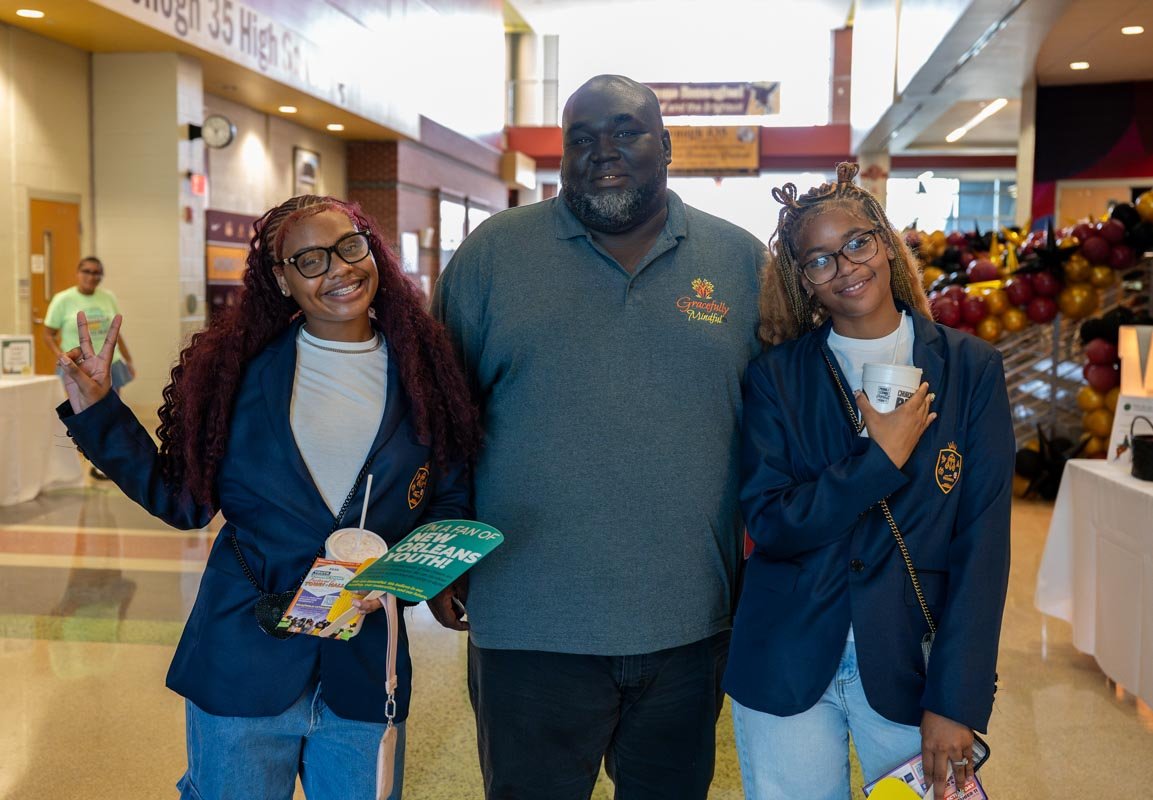
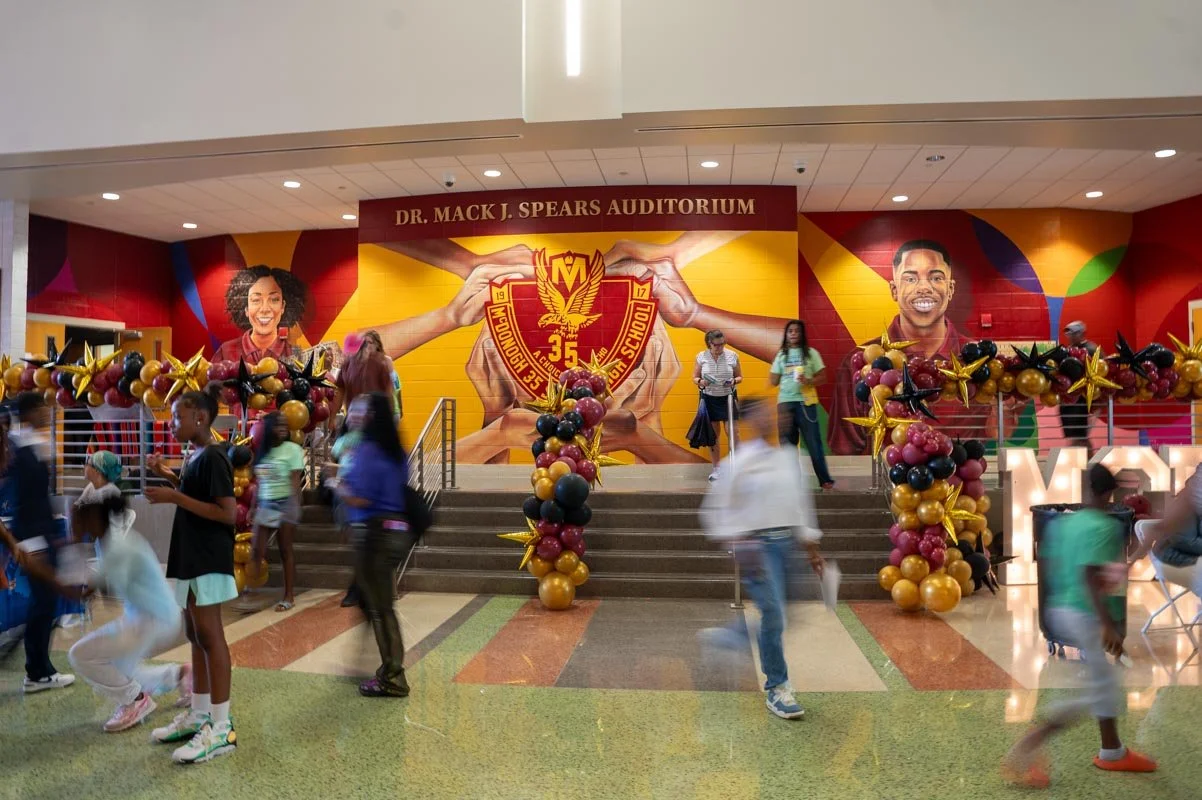
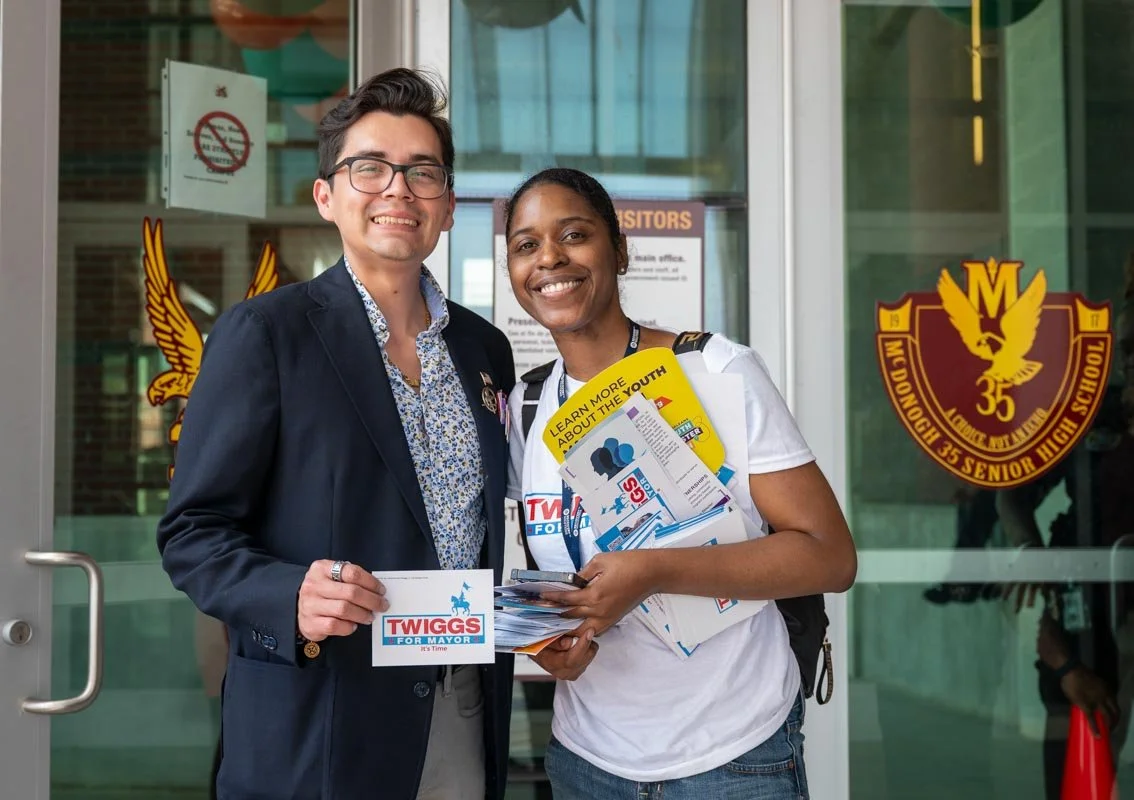
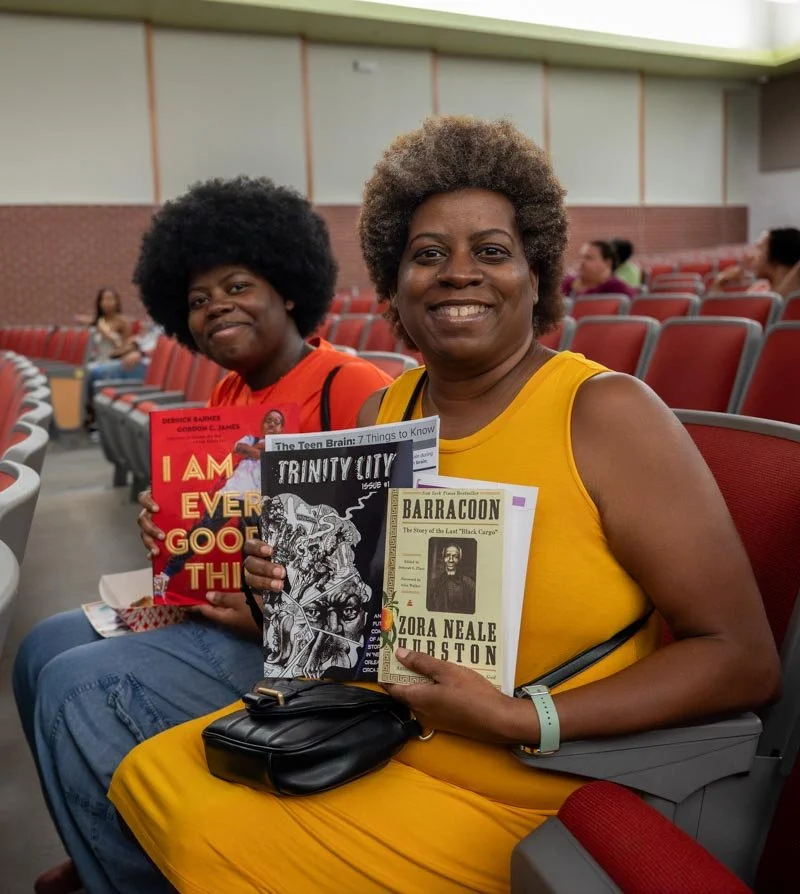
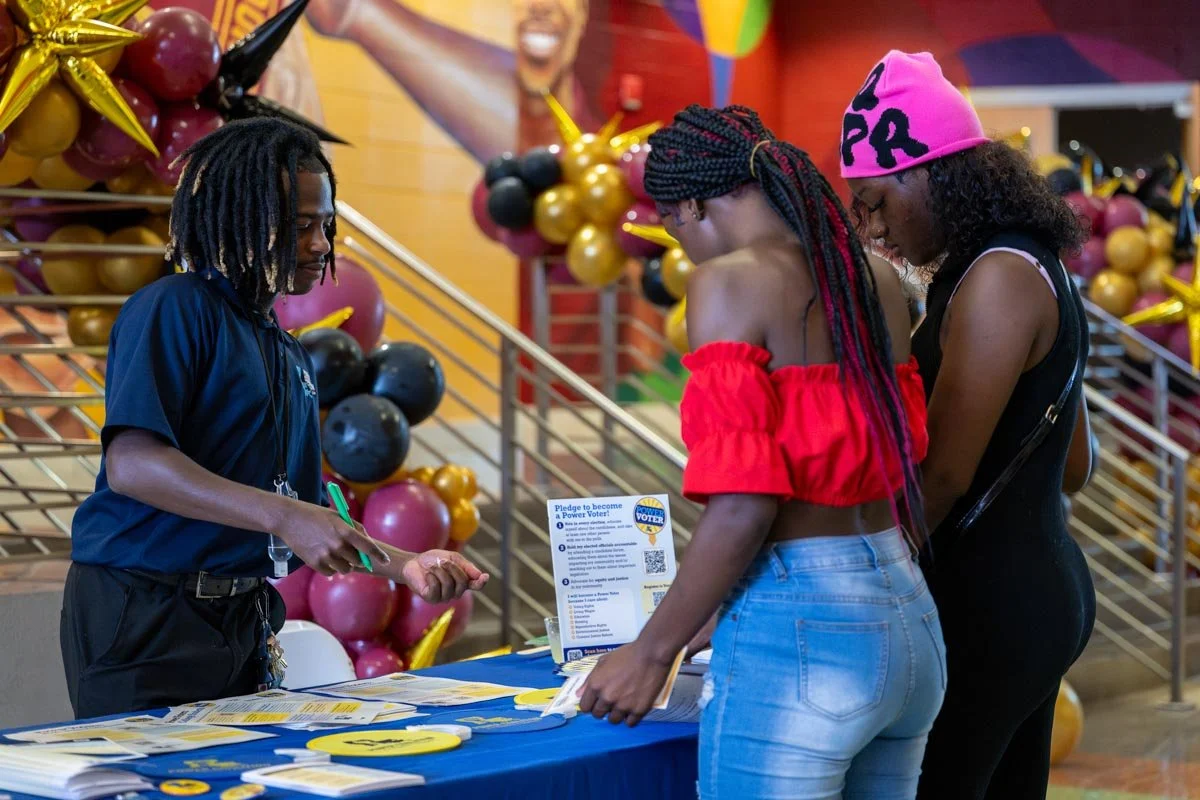
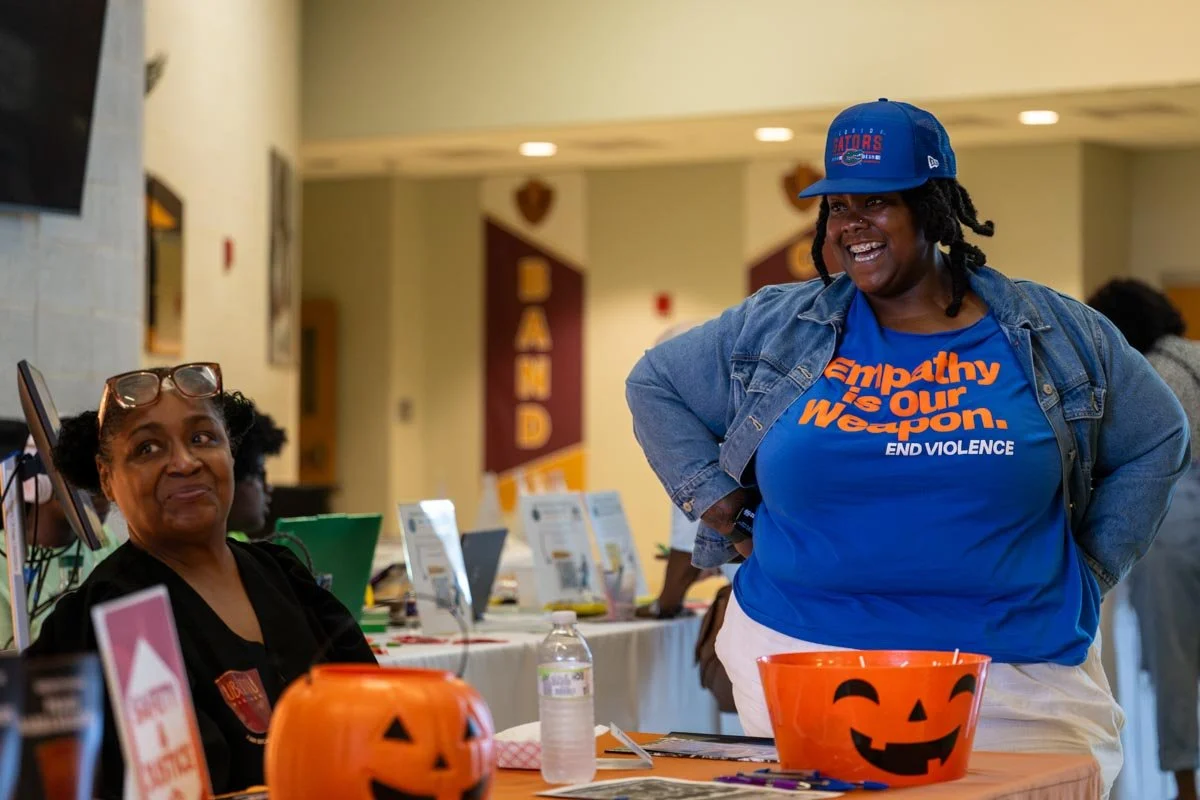
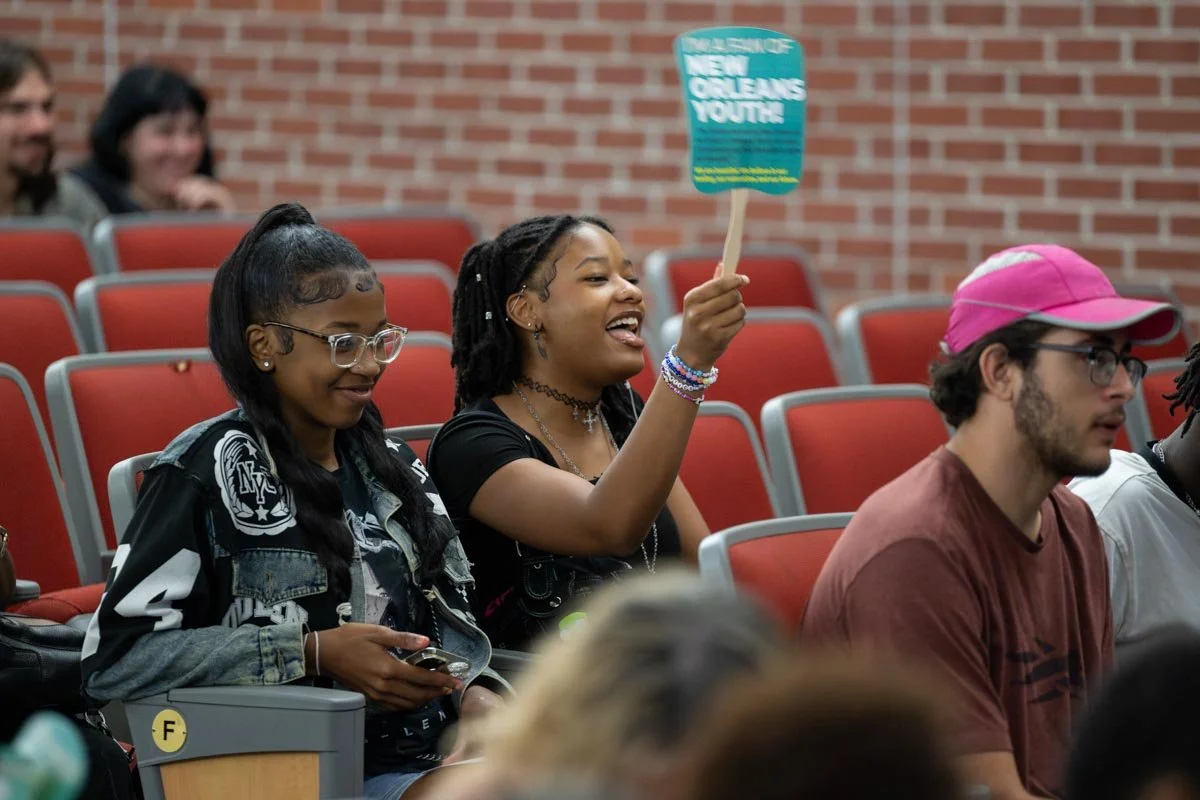
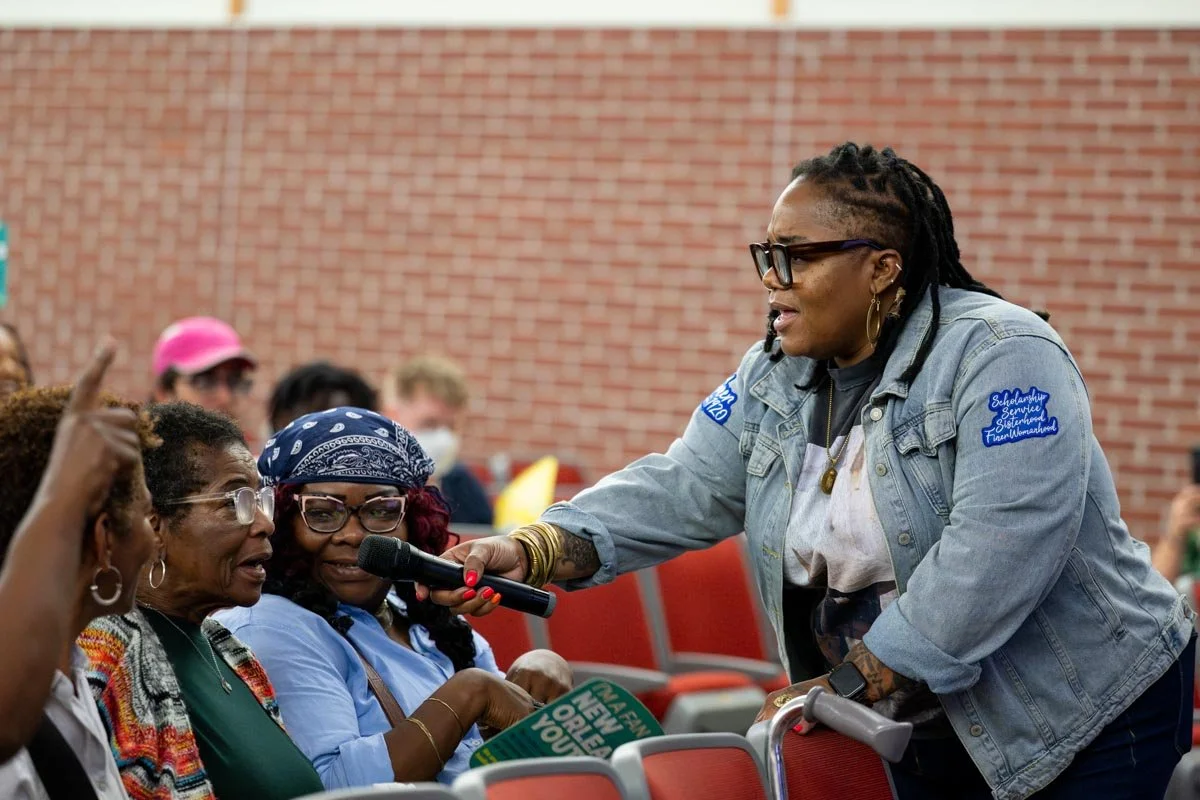
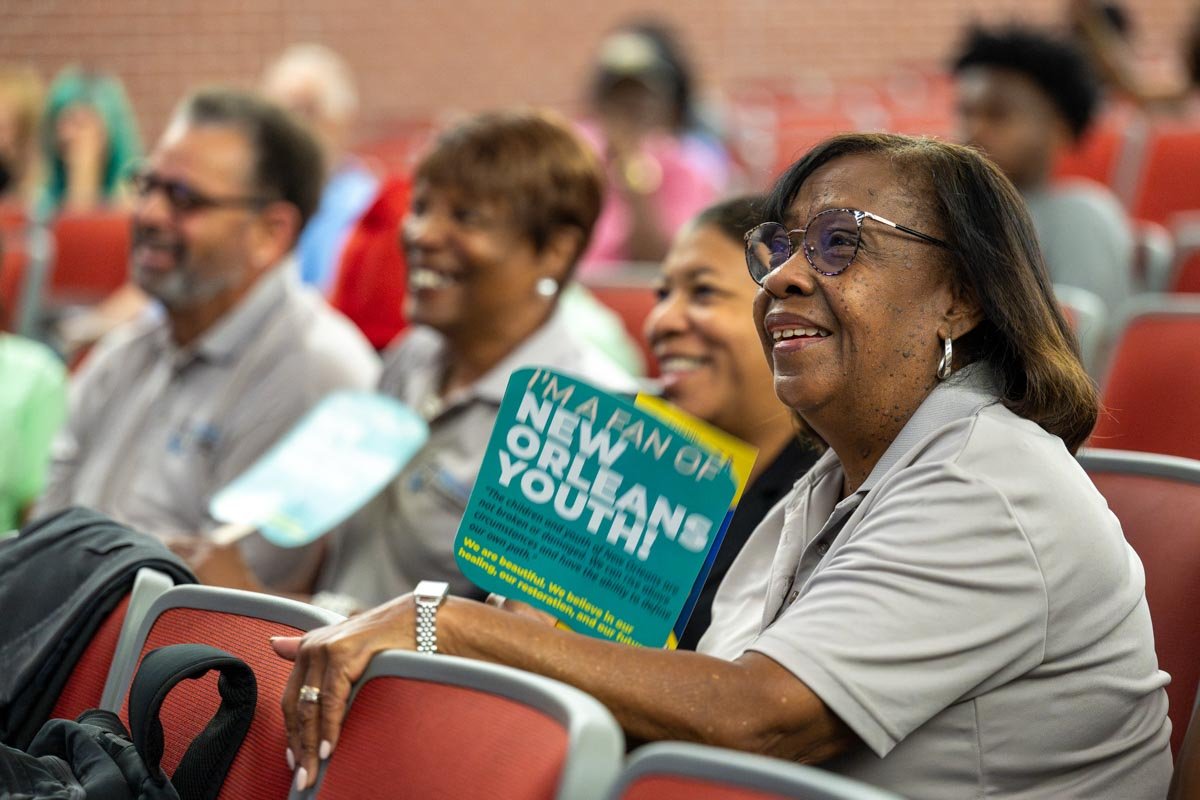
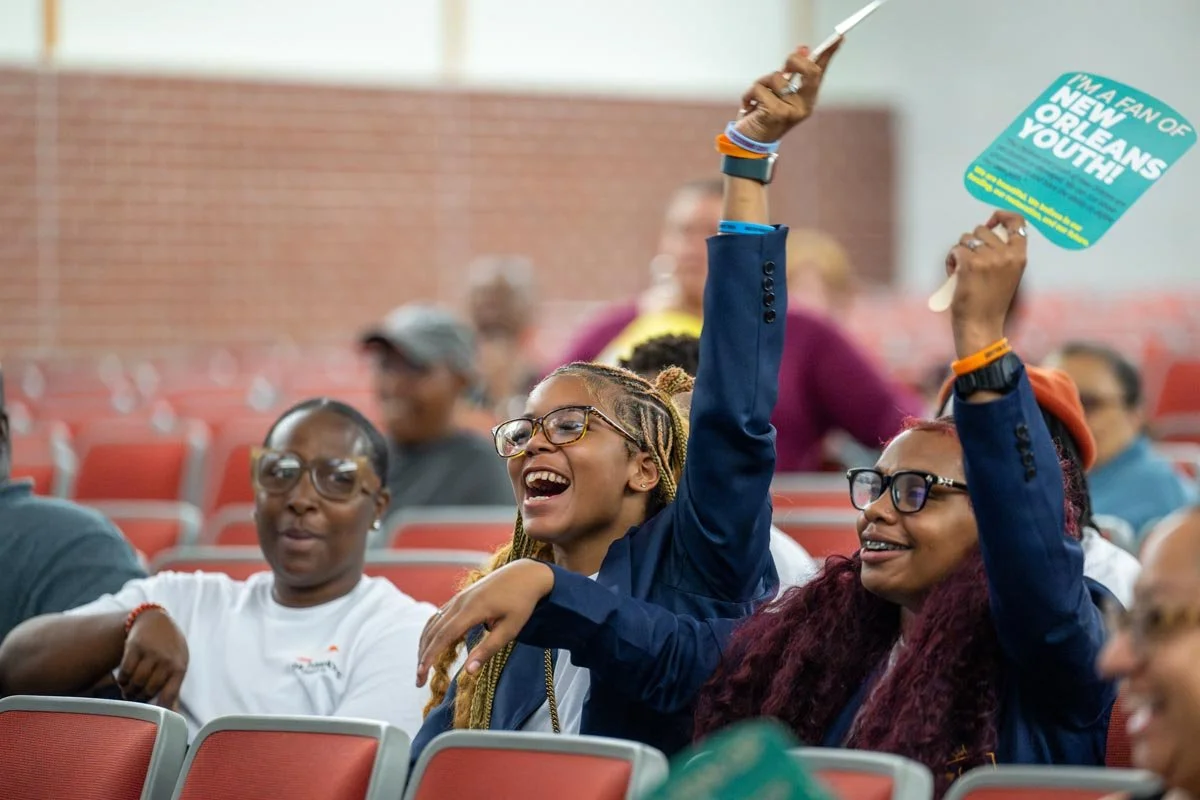
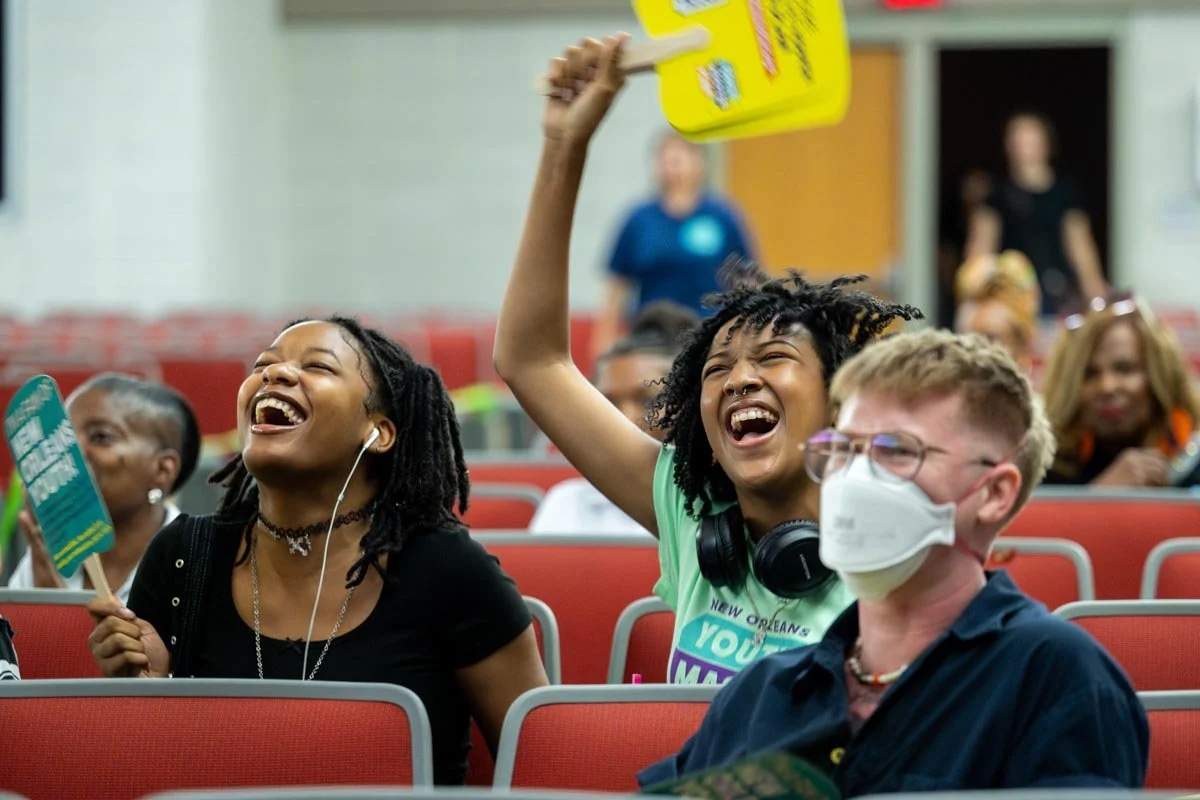
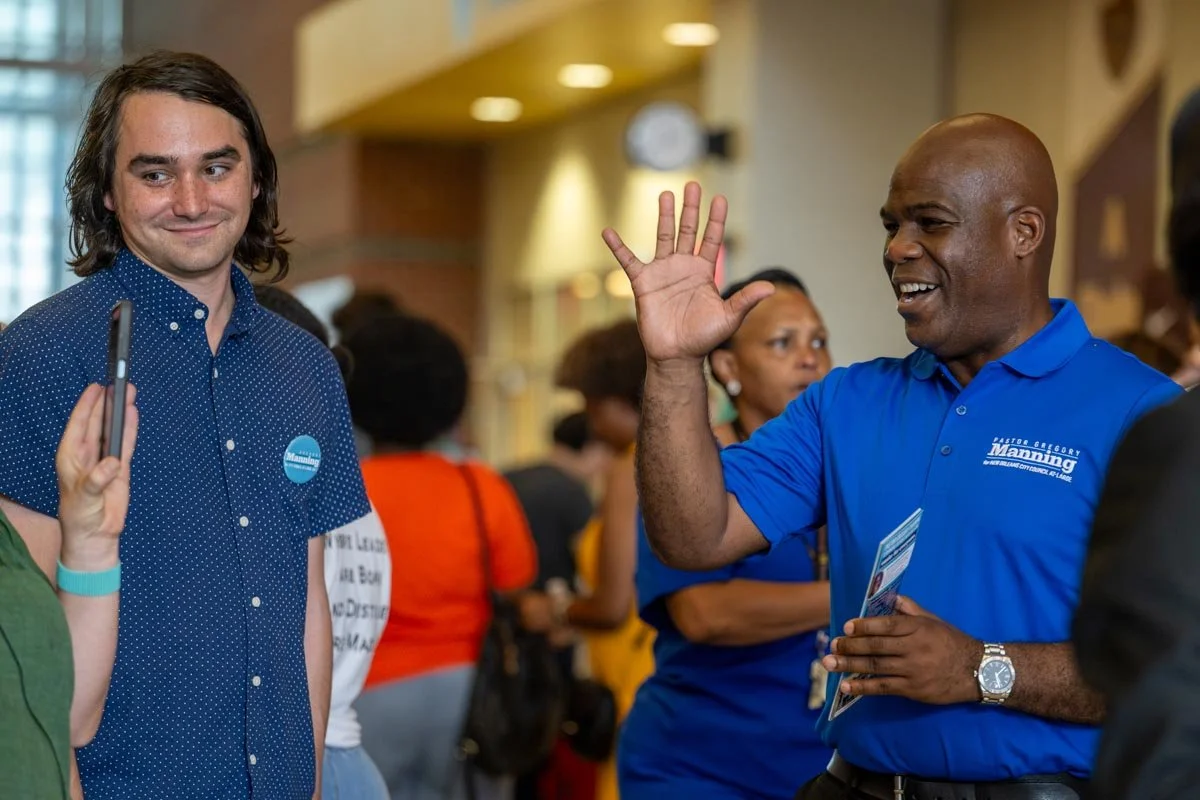
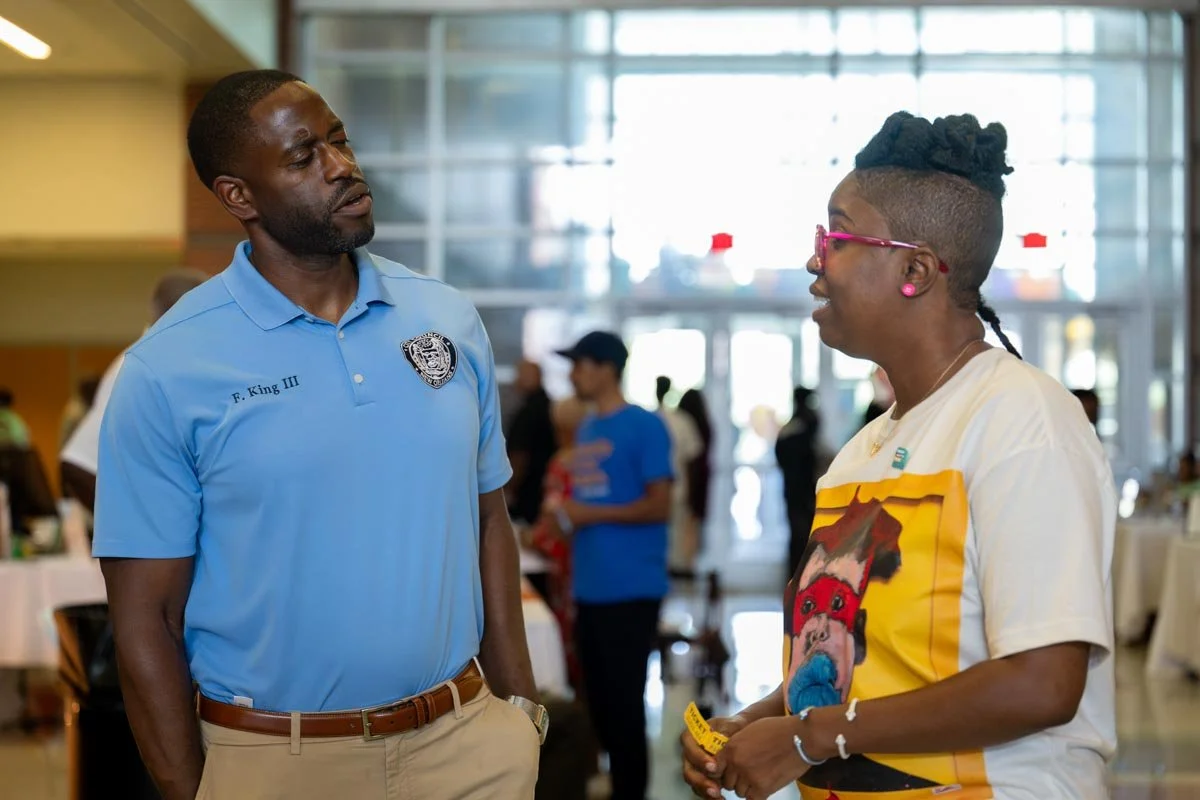
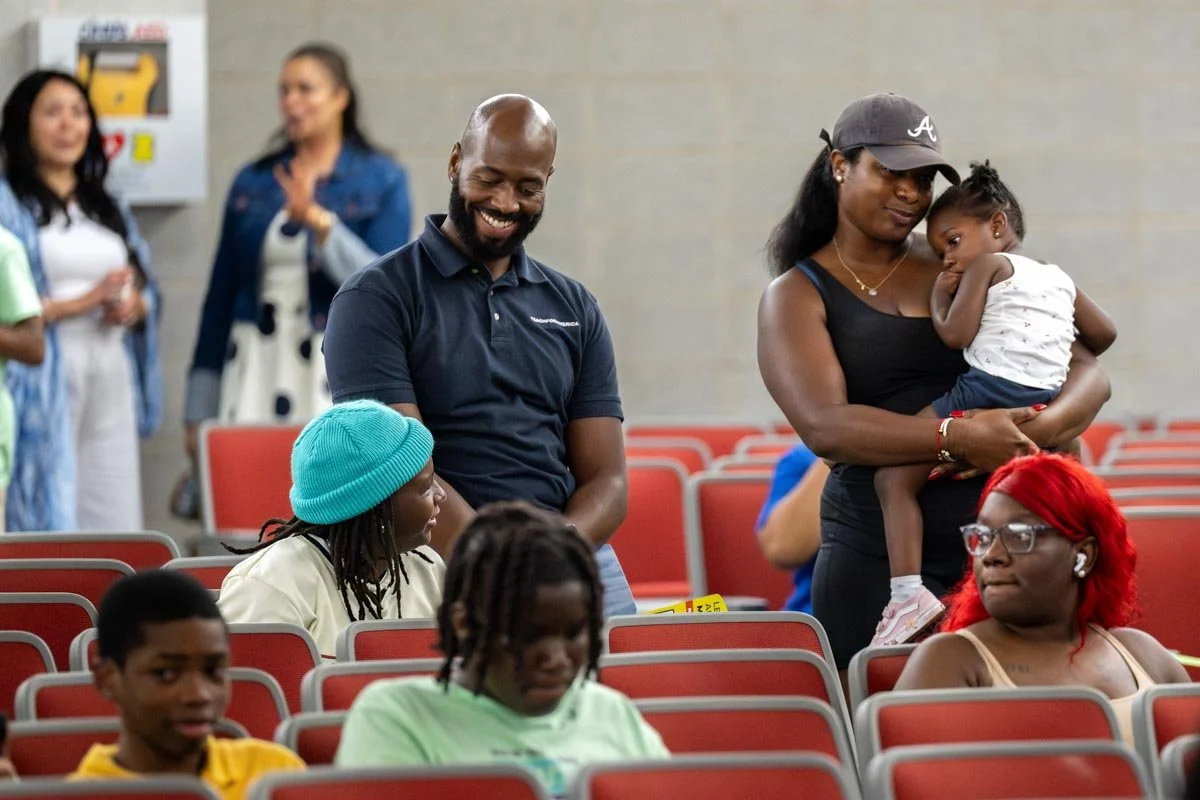
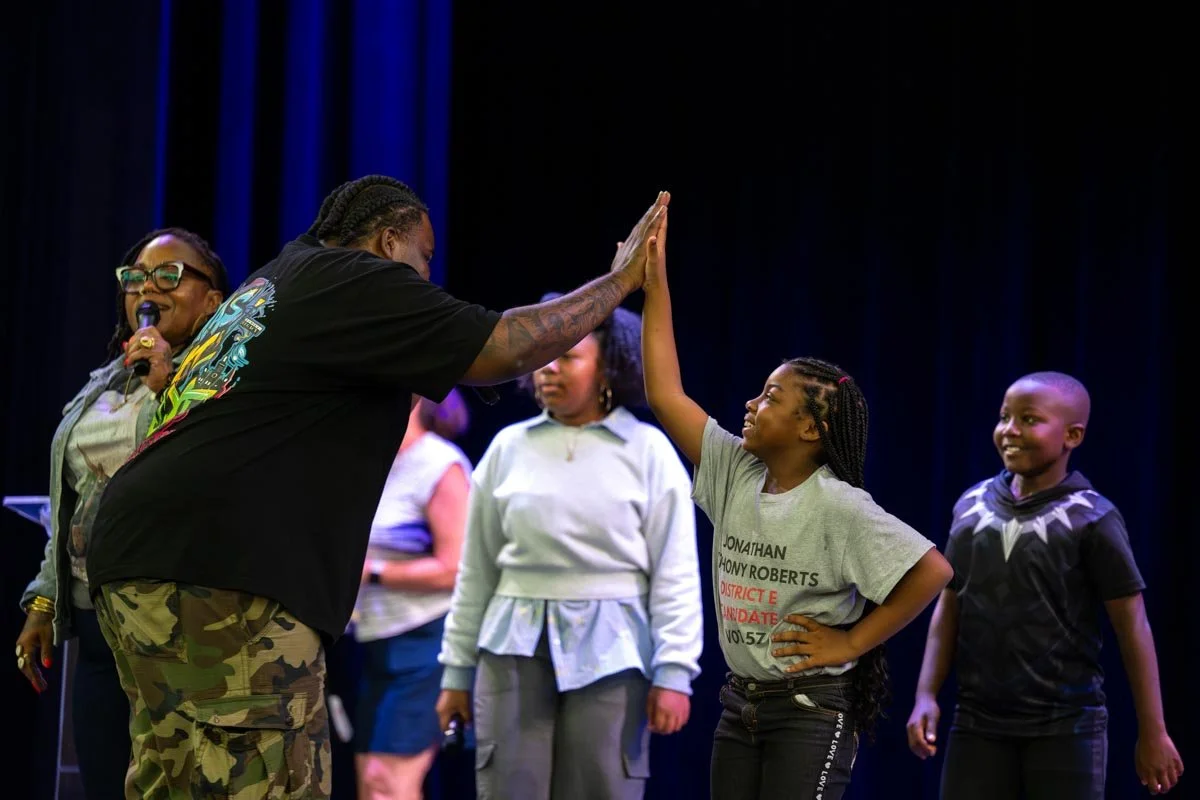
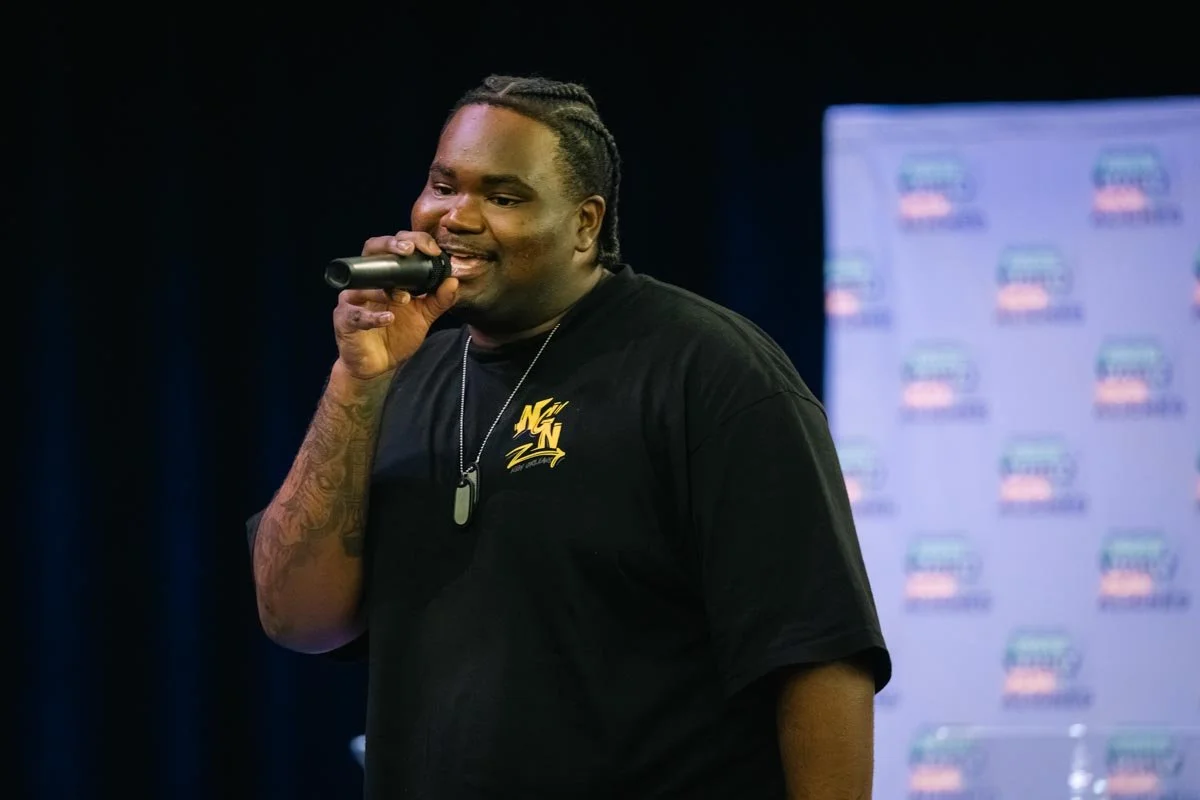
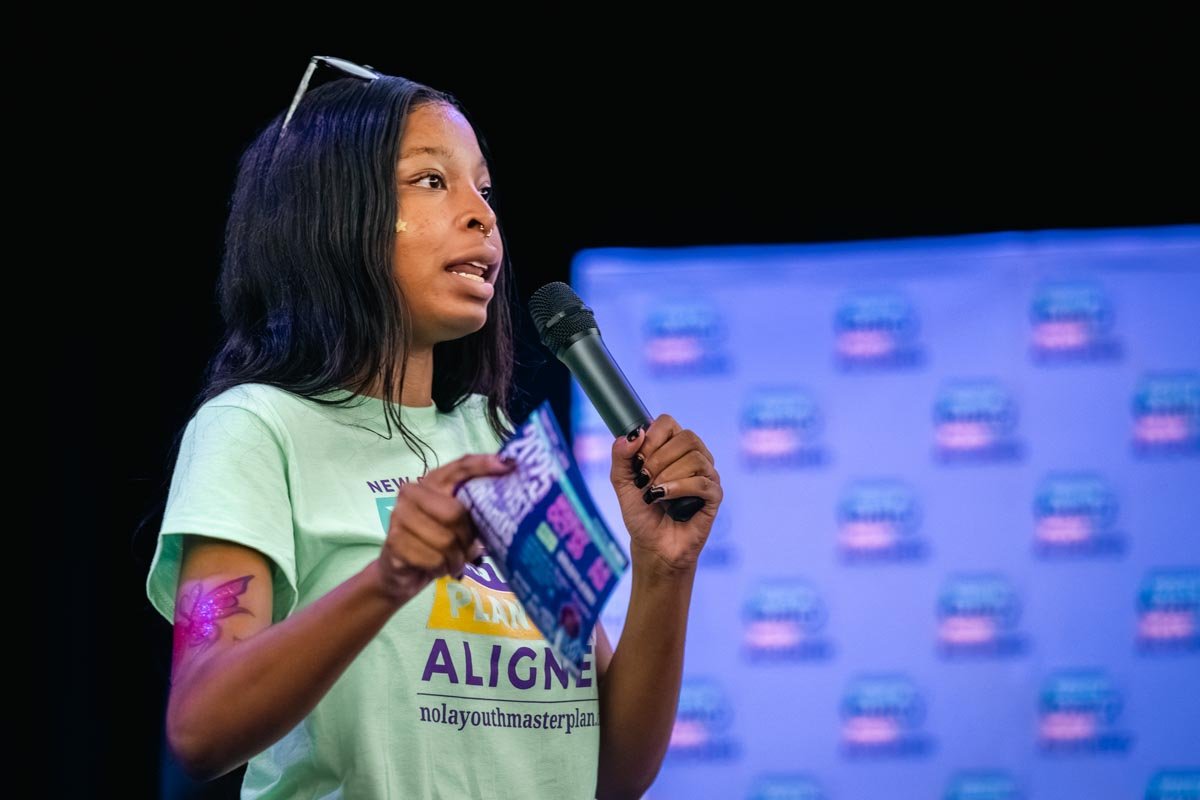
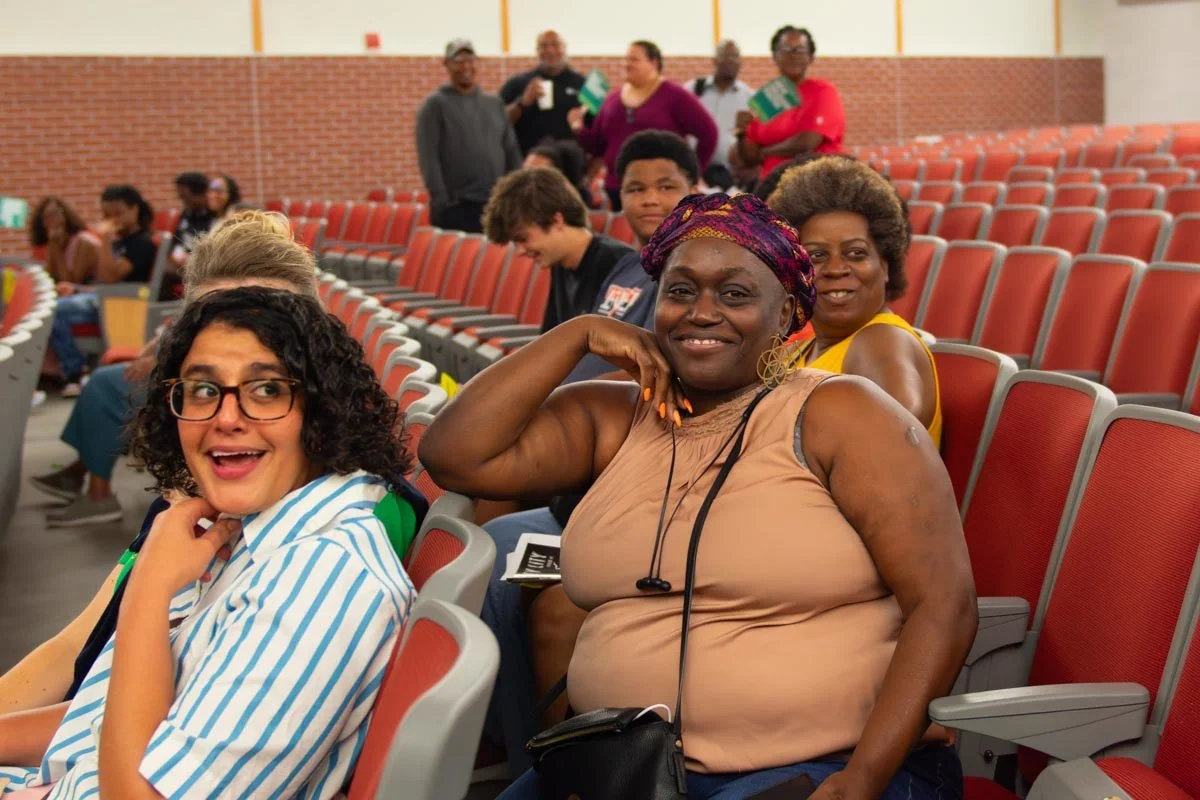
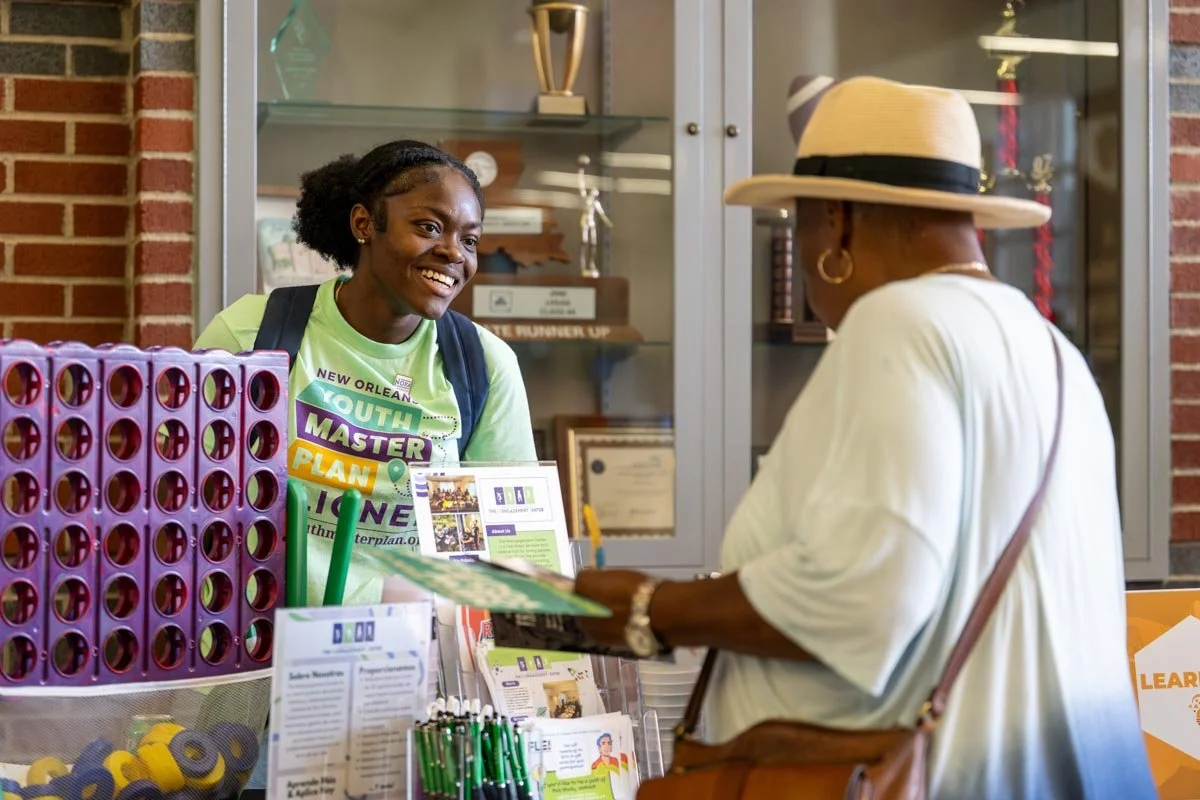
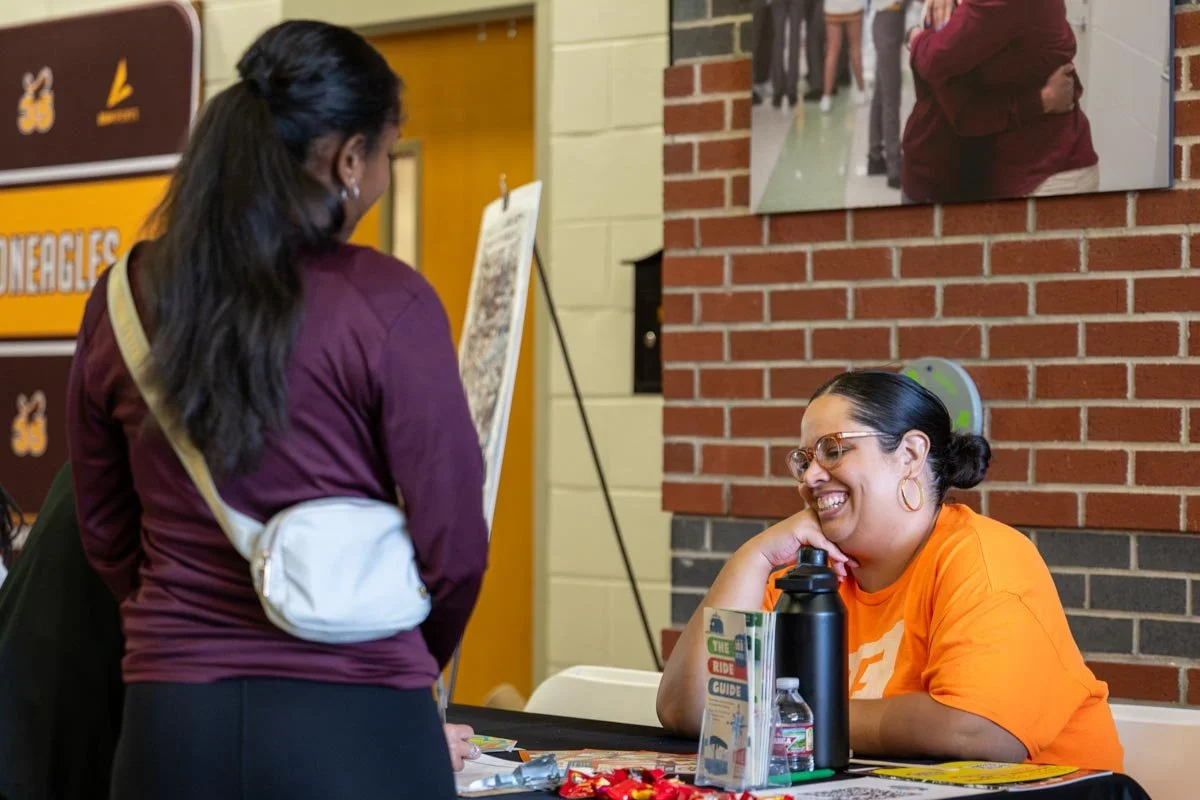
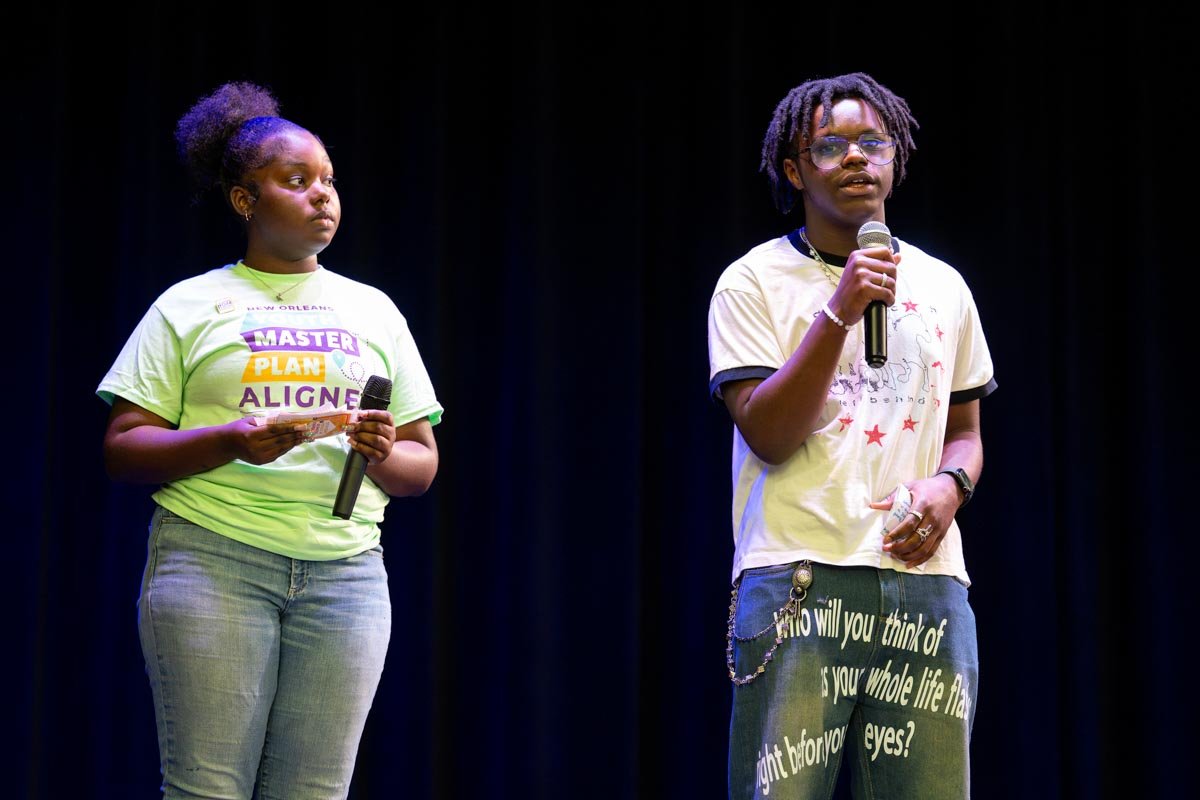
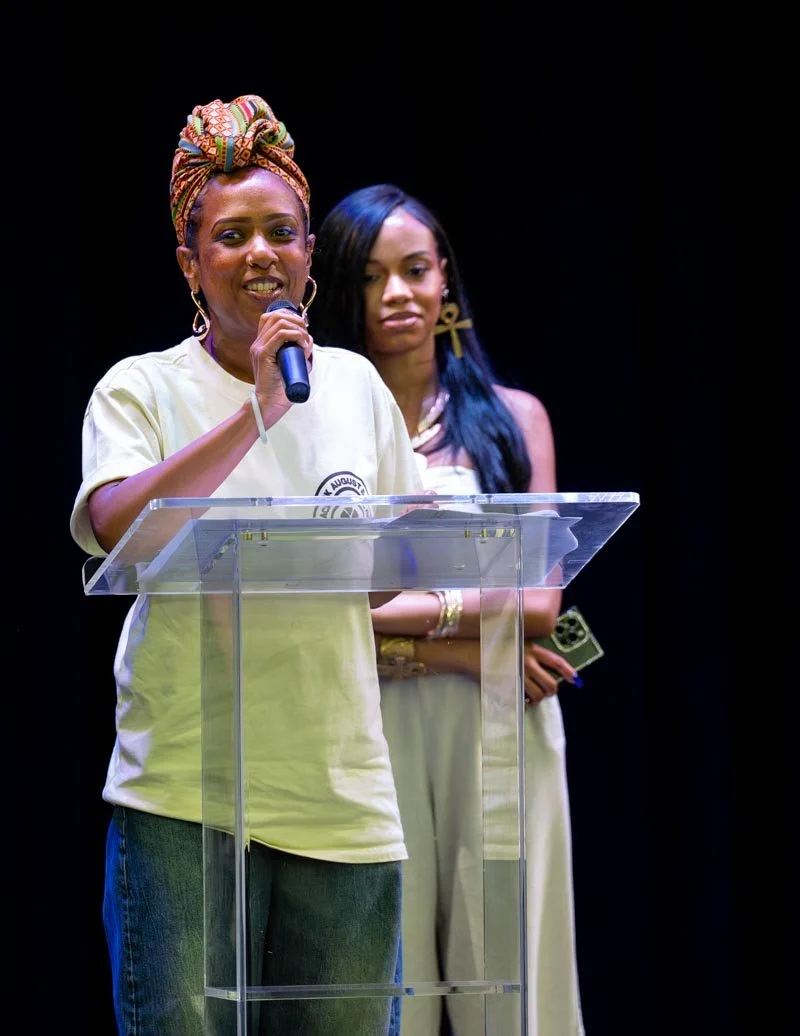
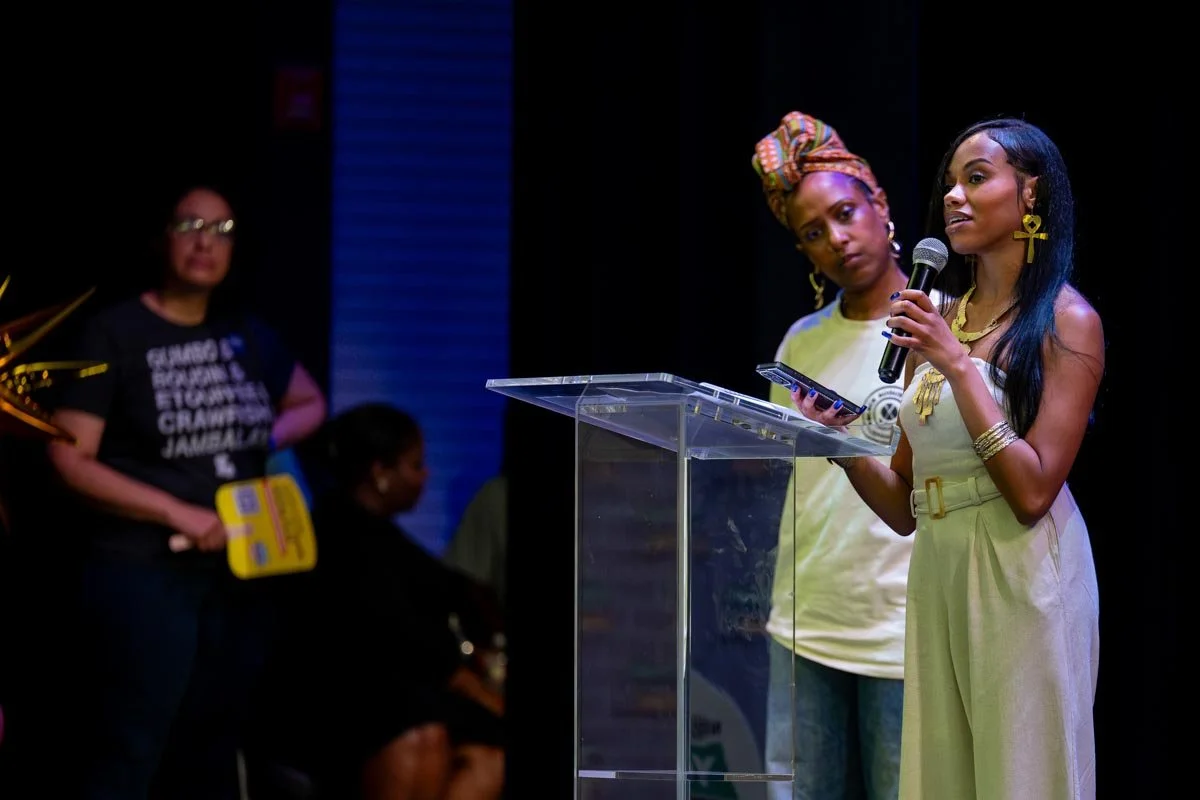
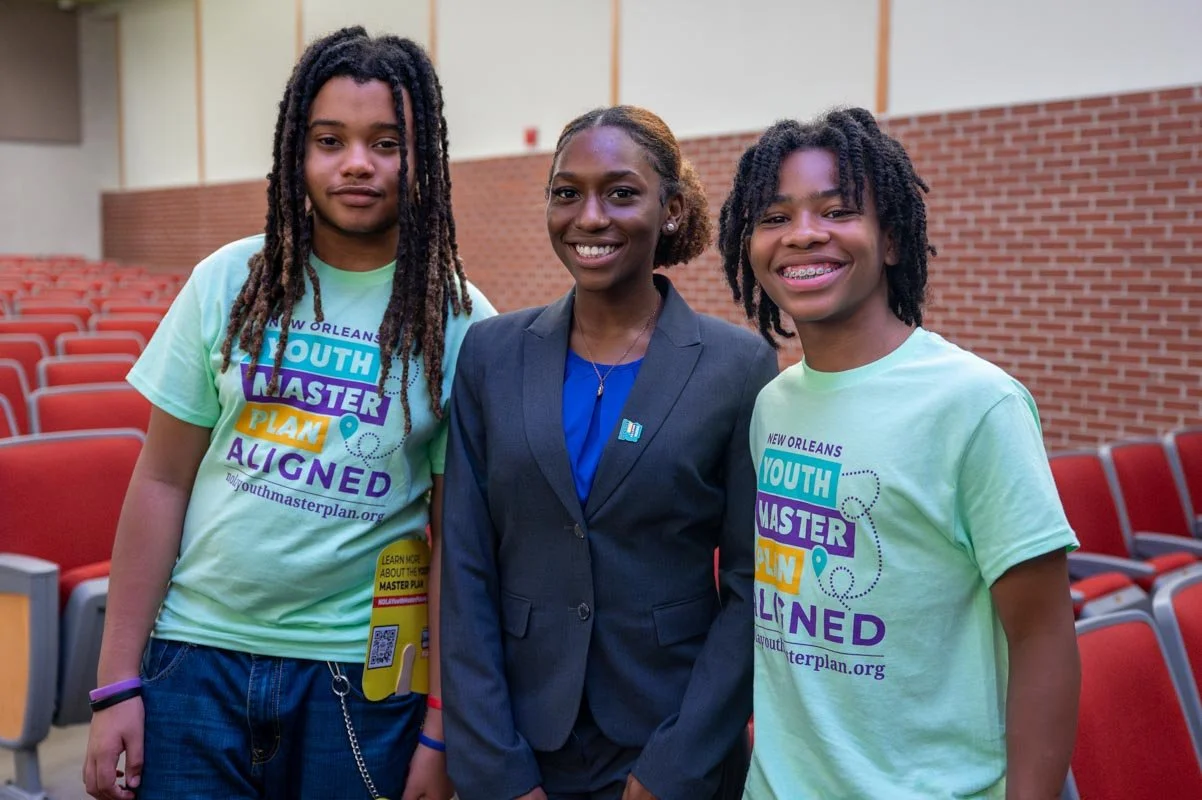
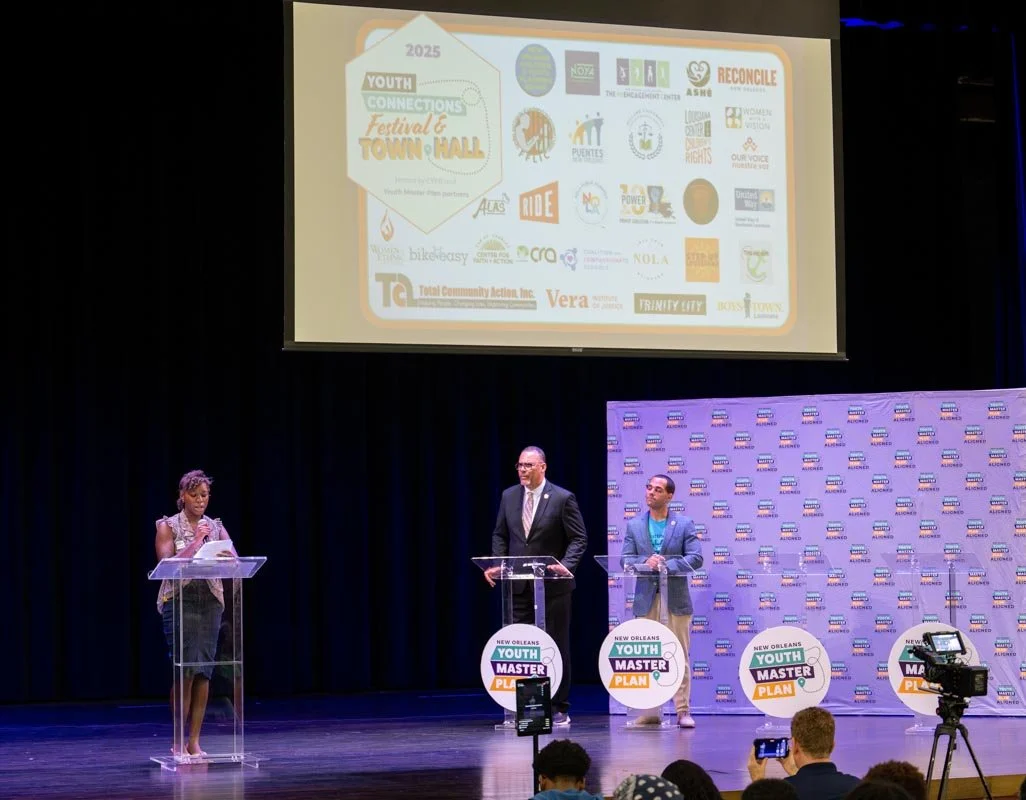
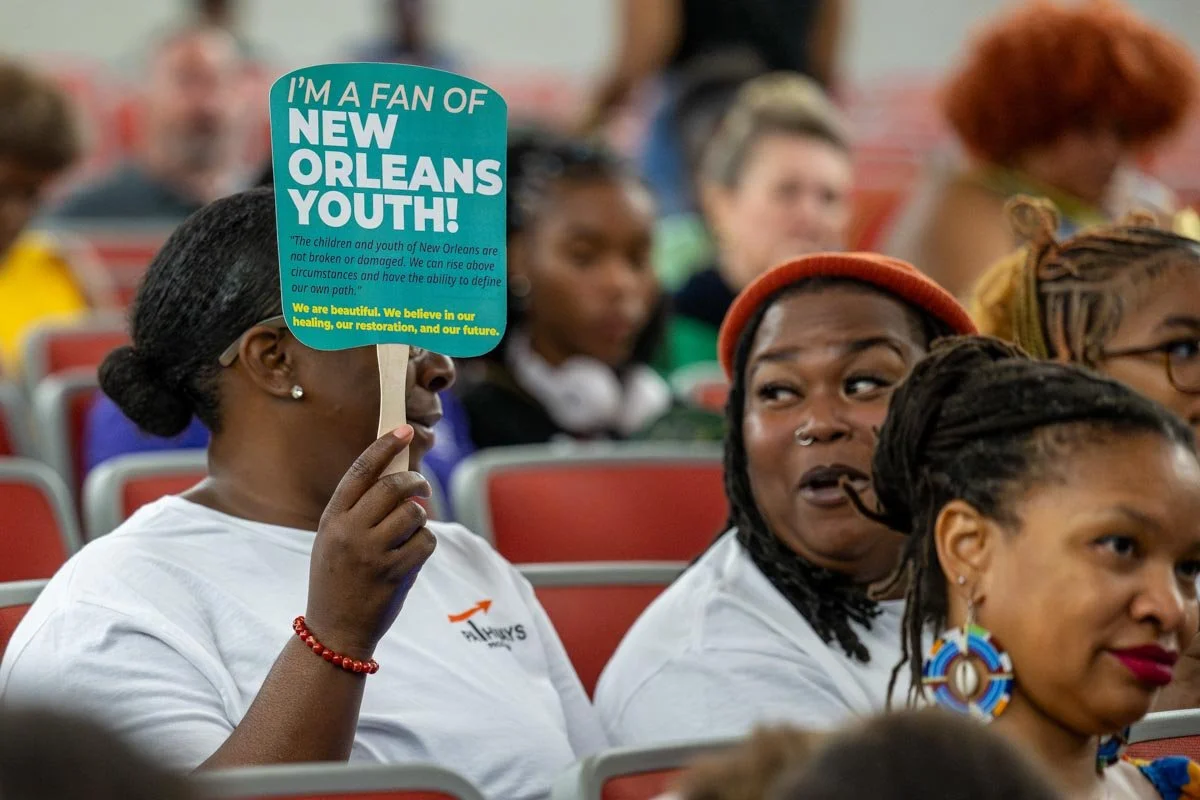
On Saturday, September 20, 2025, CYPB, the McDonogh 35 high school auditorium was packed with young people, parents, community members, and systems leaders for the 2025Youth Connections Festival & Town Hall.
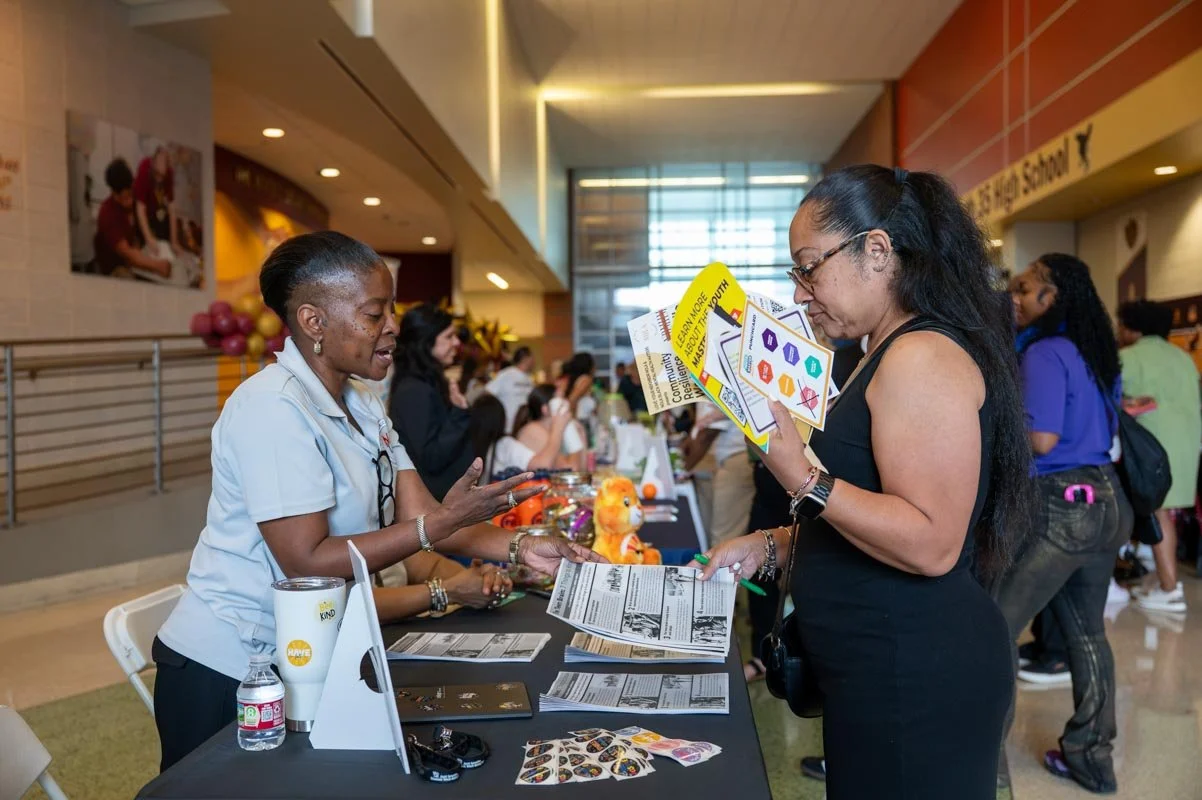
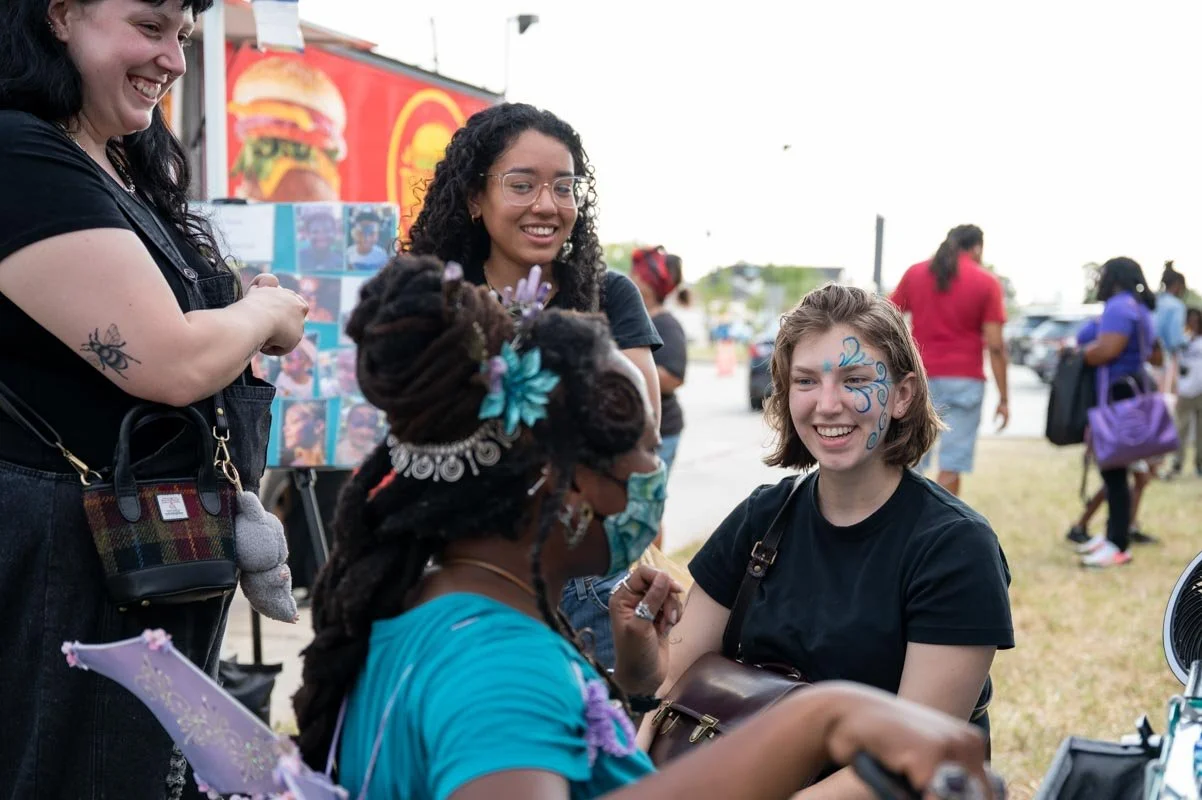
This year’s fest was a collective effort and a day dedicated to amplifying youth experiences, priorities, solutions, and community resources in New Orleans, featuring:
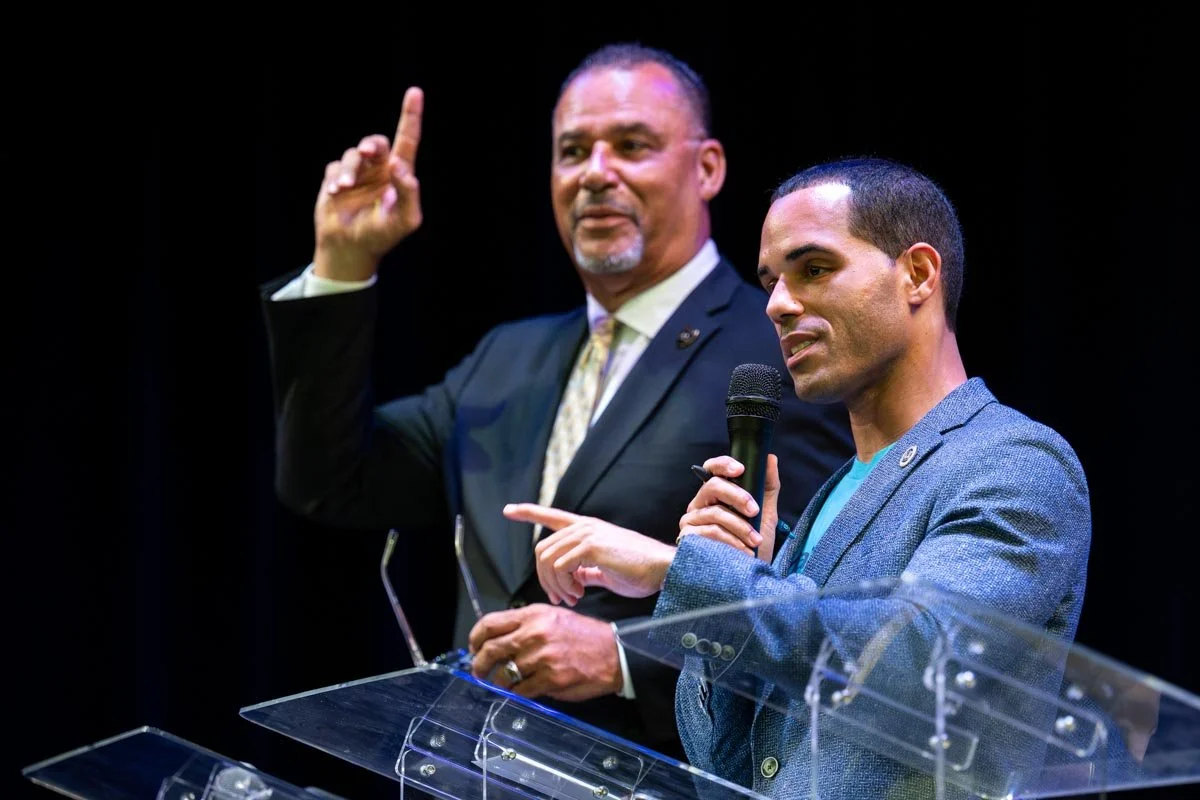
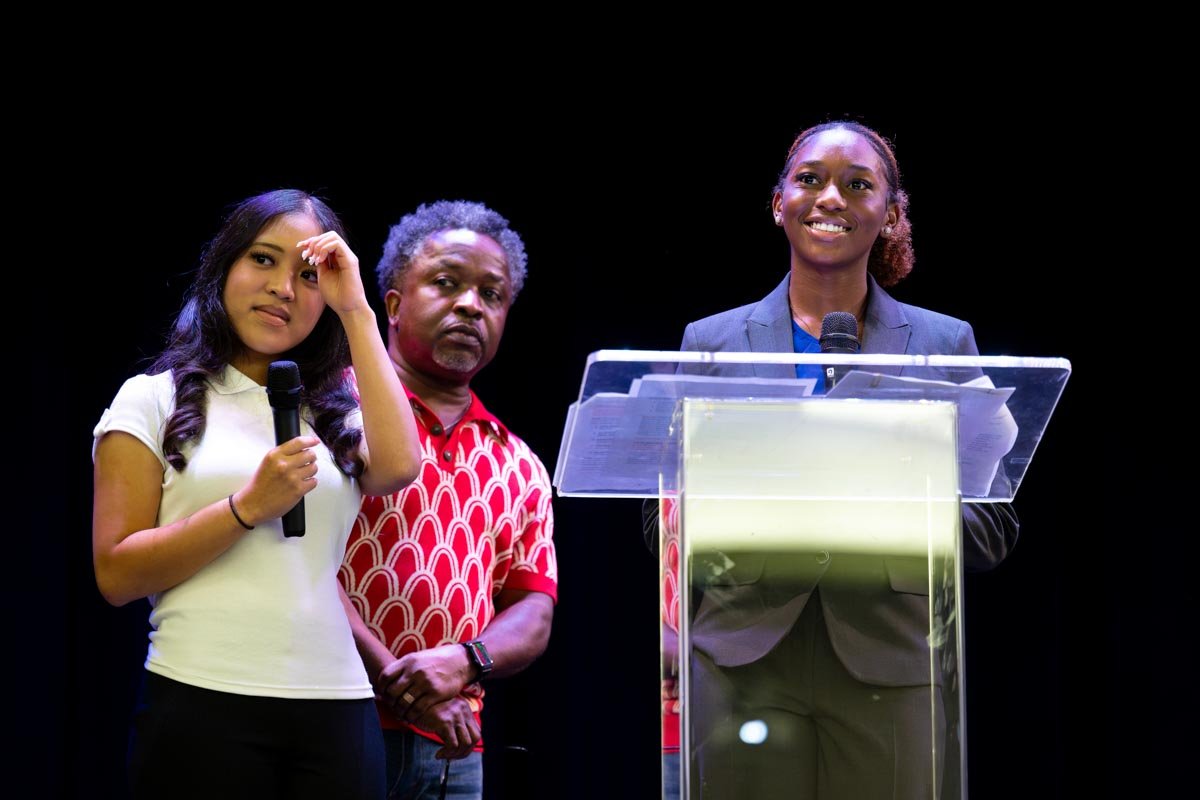
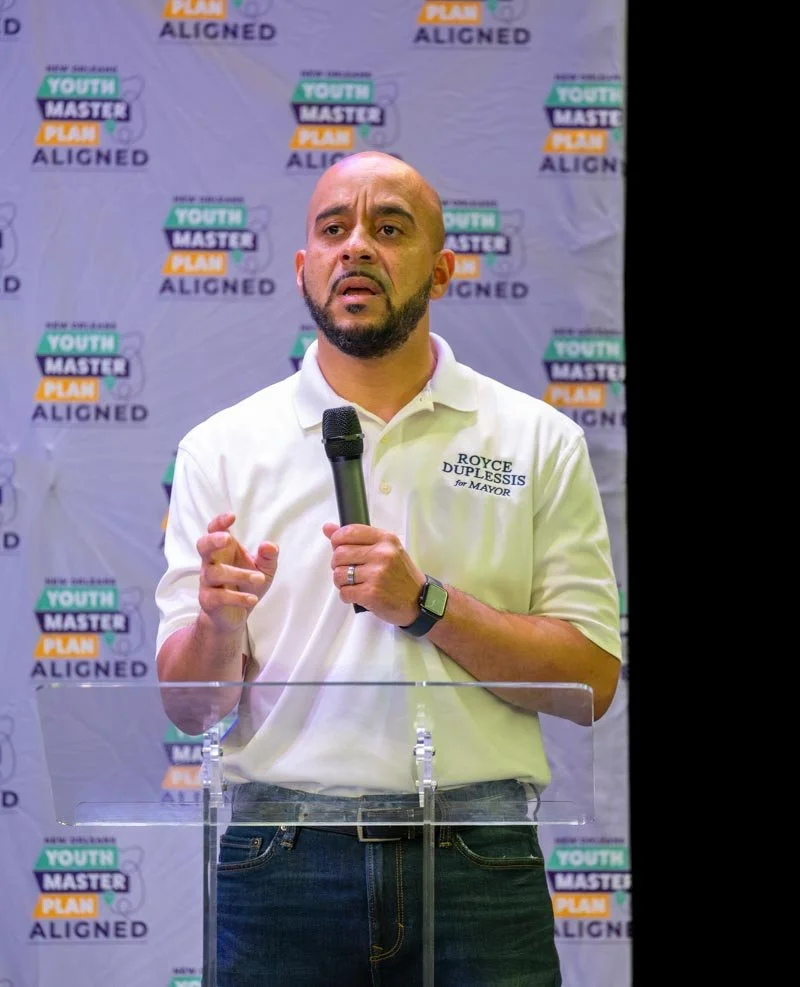
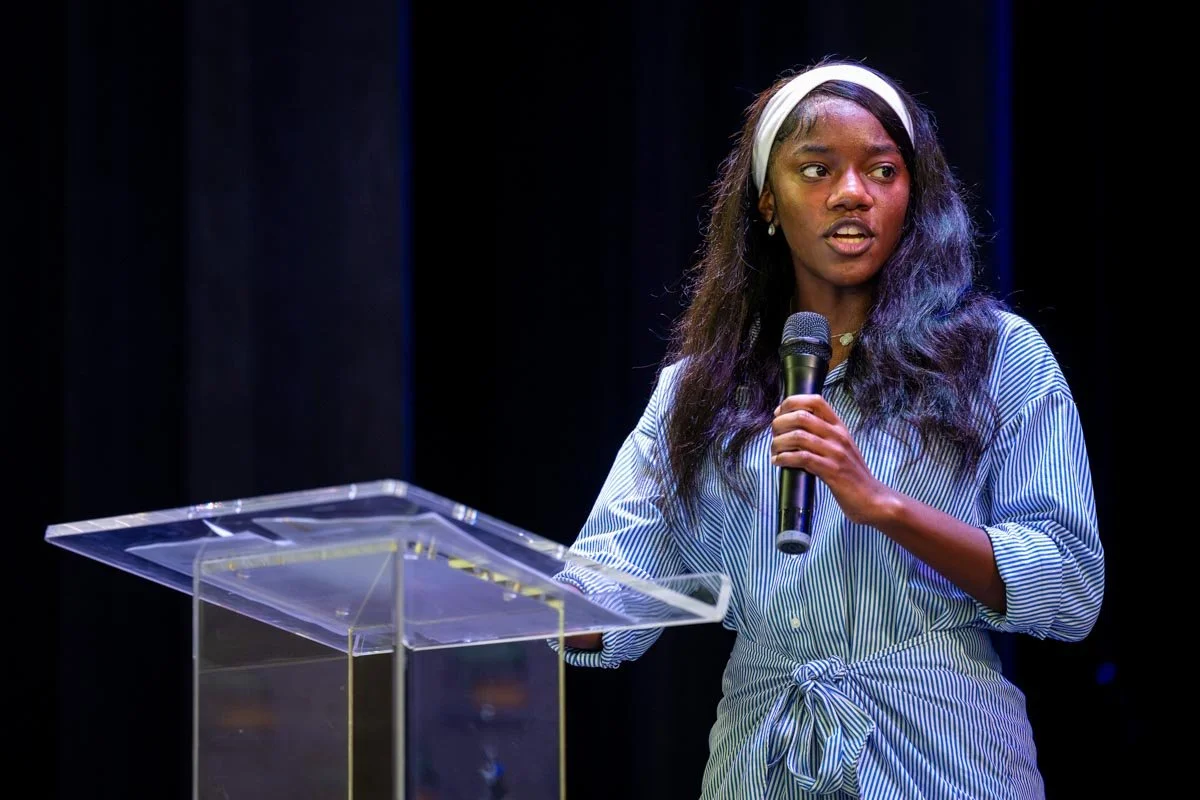
a youth-led forum with mayoral and city council (at-large, district 1) candidates --to hear, on record, what candidates’ commitments are to young people.
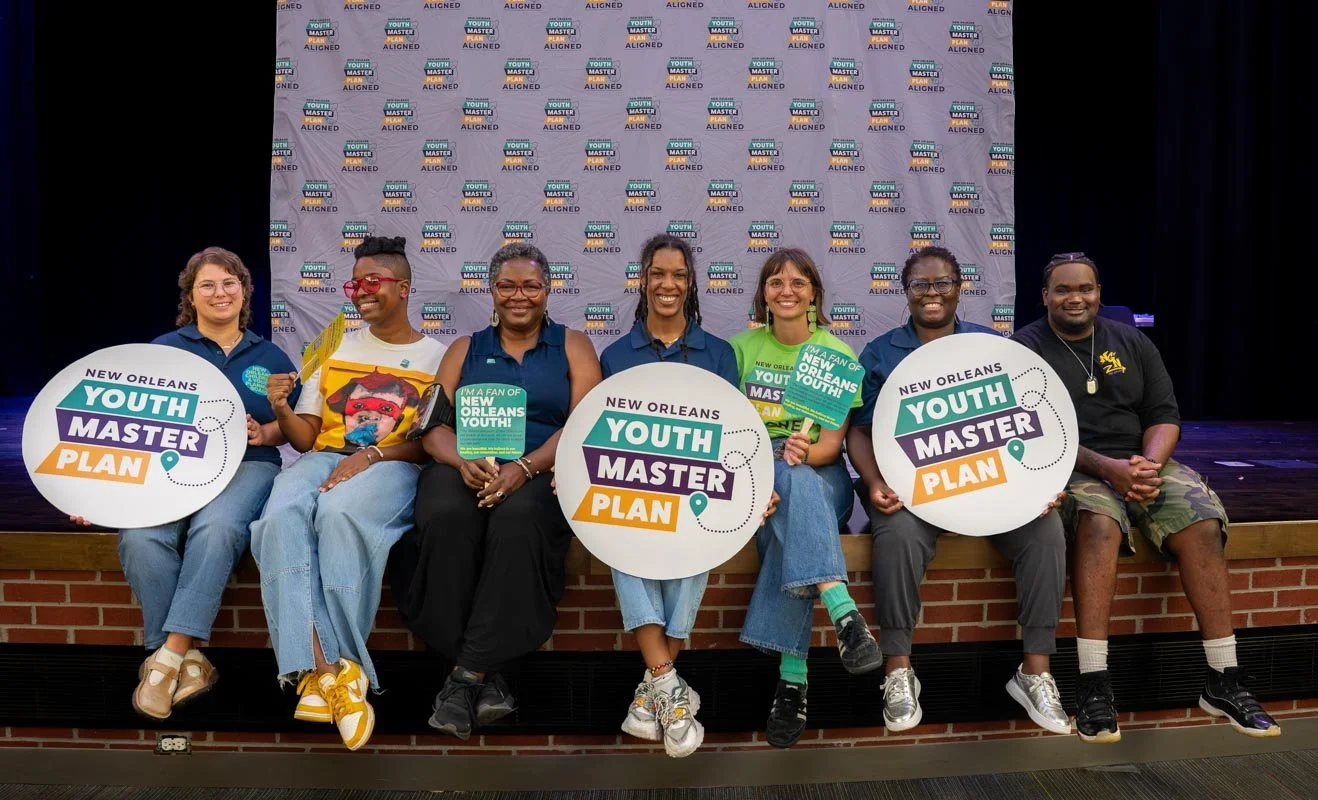
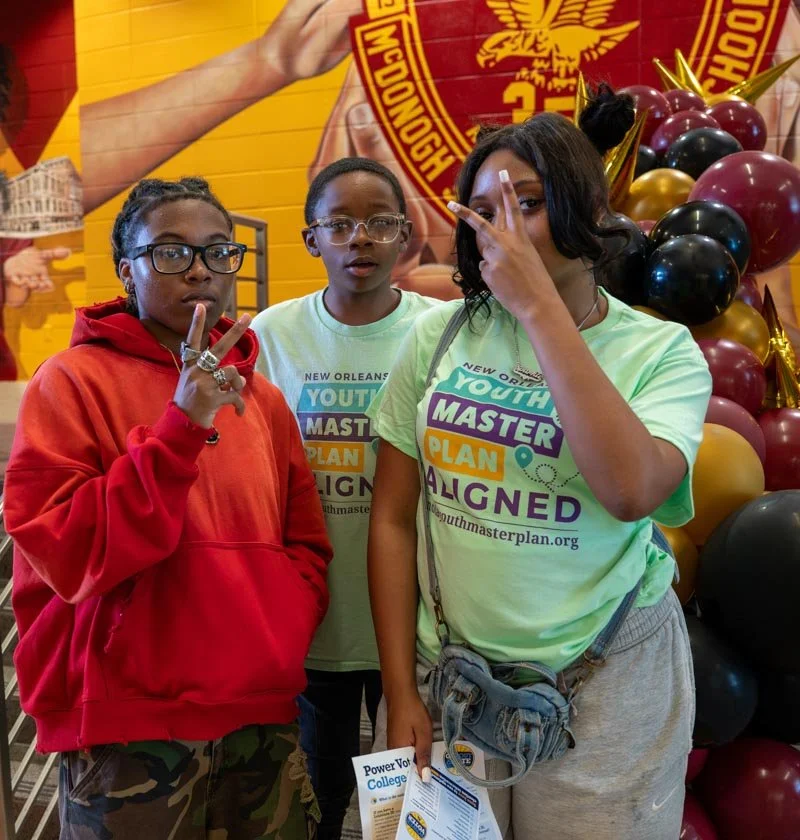
Q&A’s with youth leaders putting the Youth Master Plan into action -- to highlight real solutions that show what’s possible when youth are centered in shaping our city.
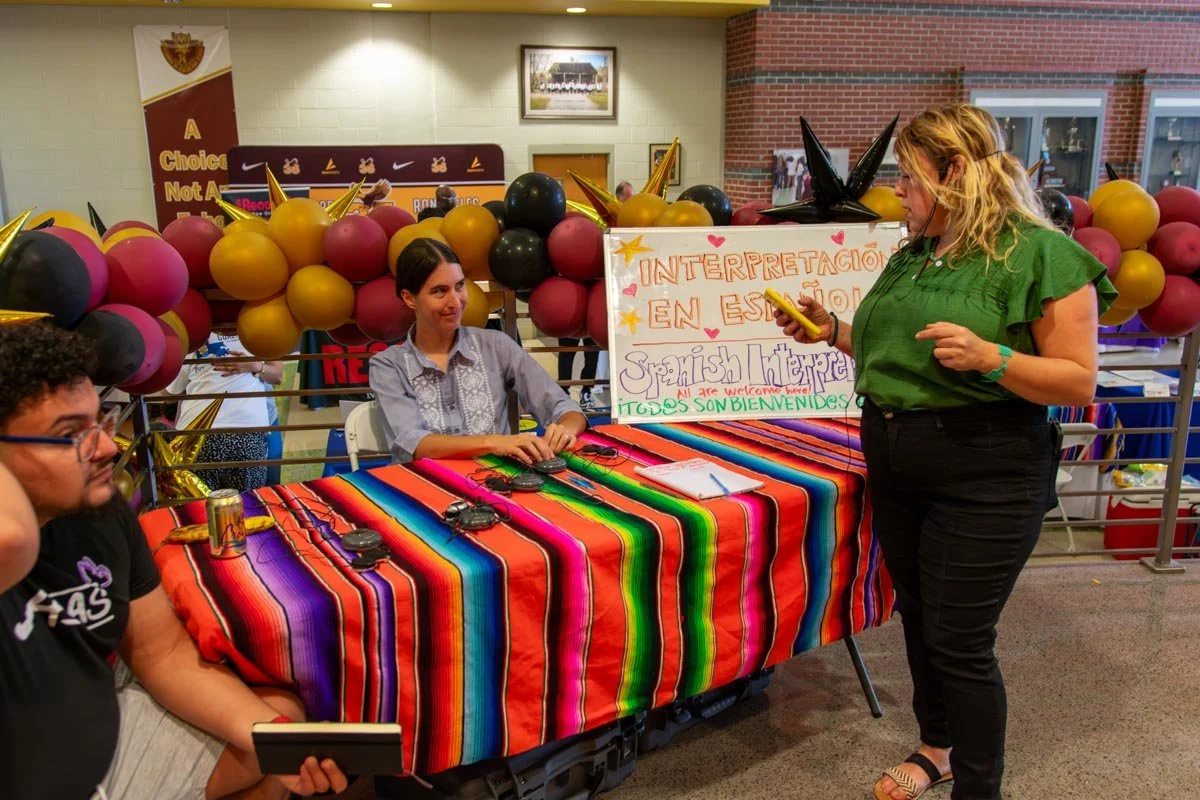
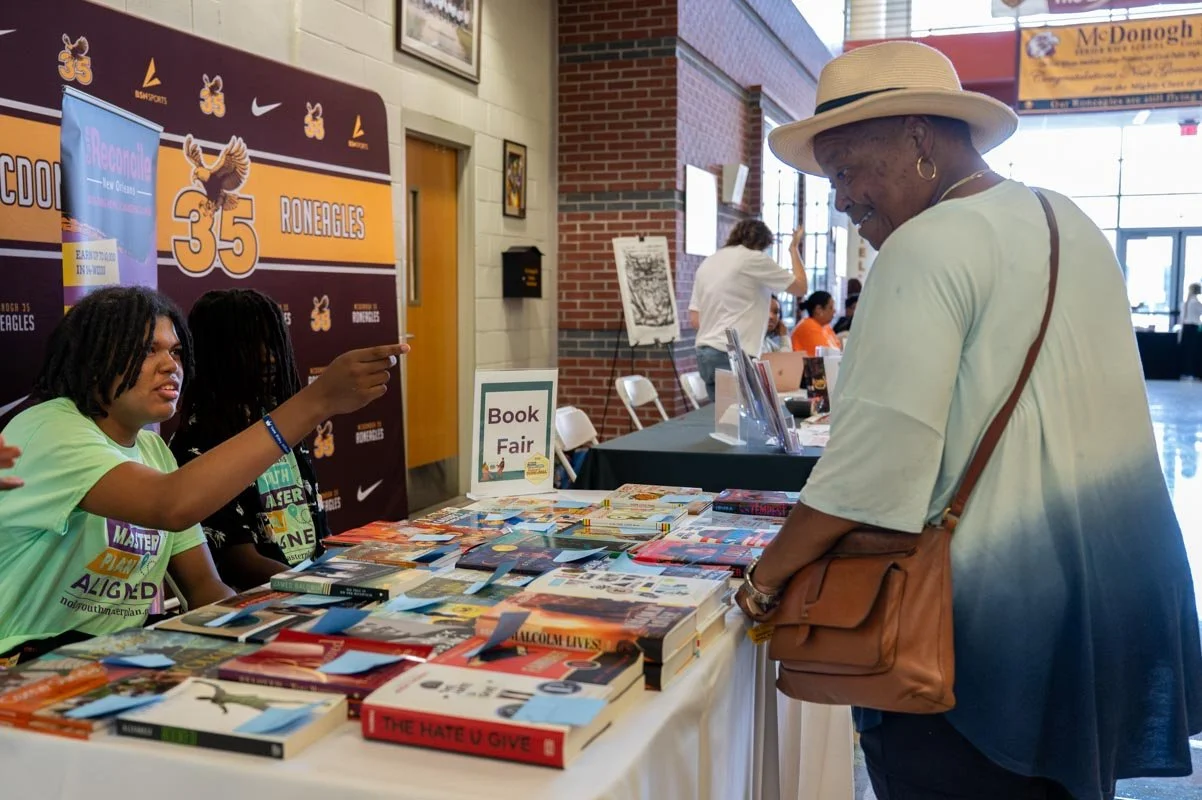
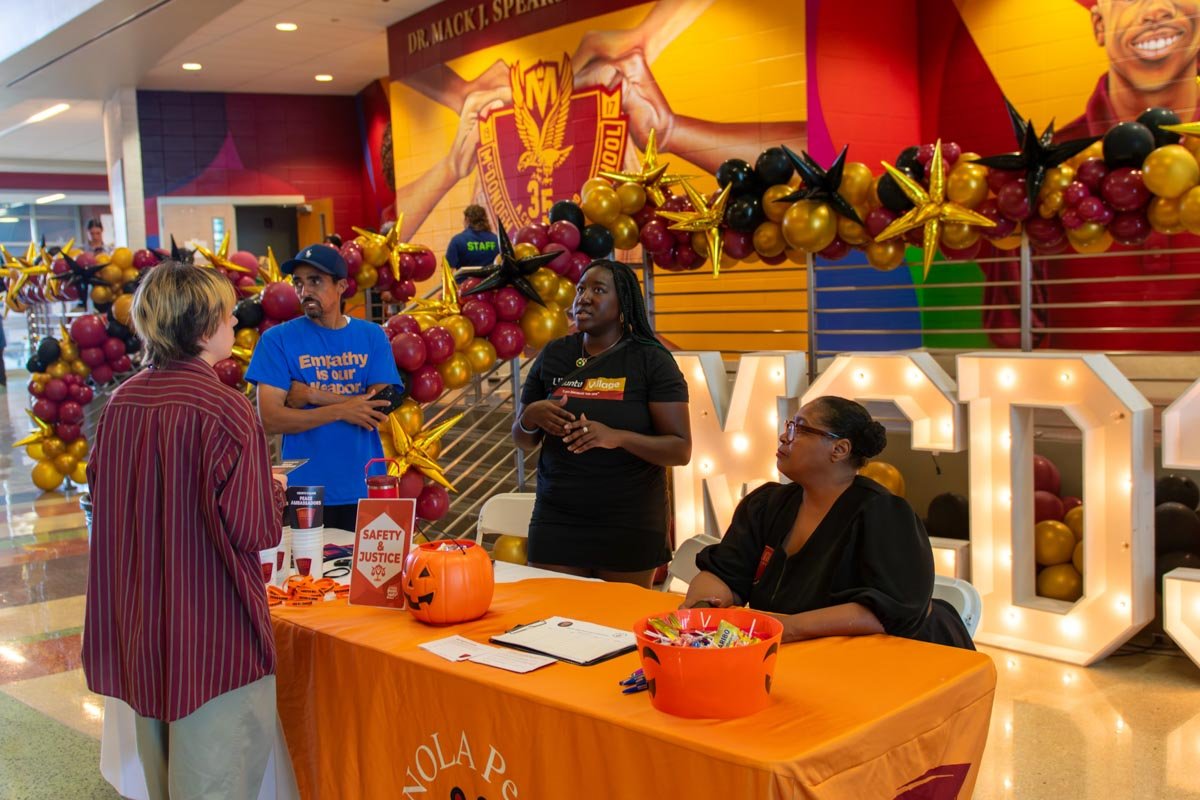
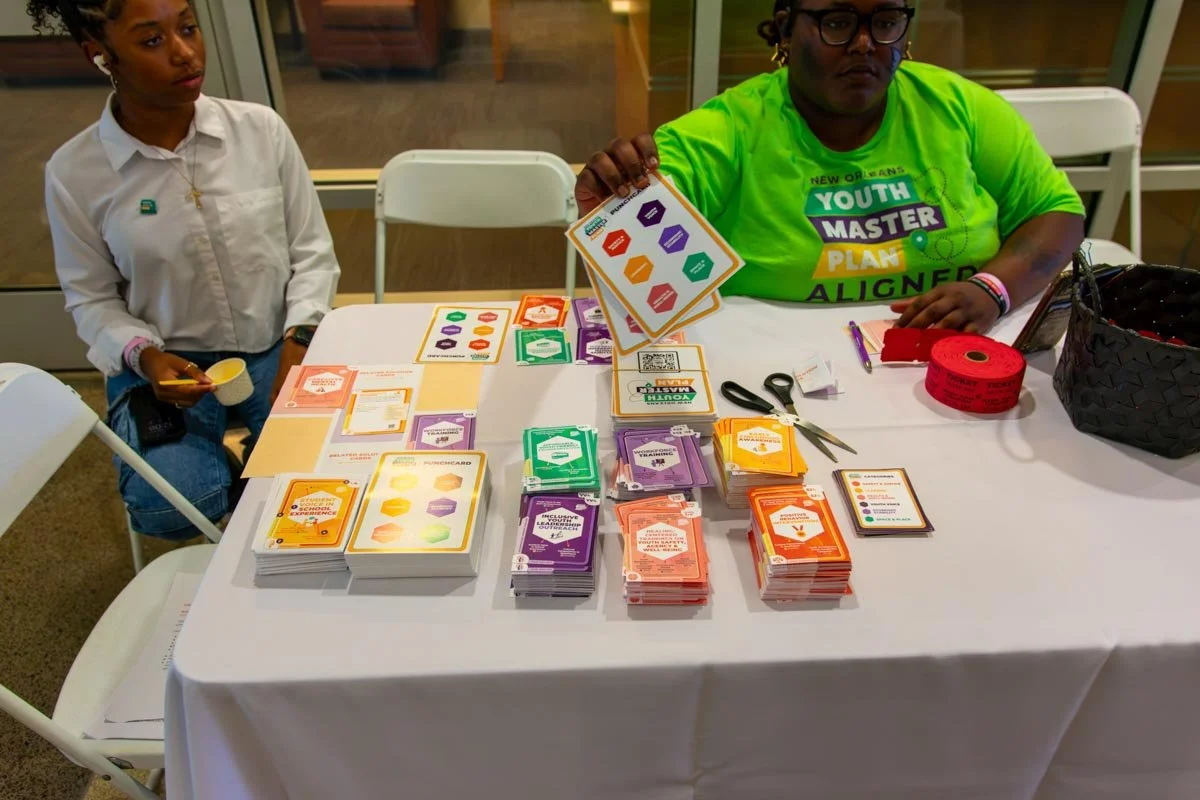
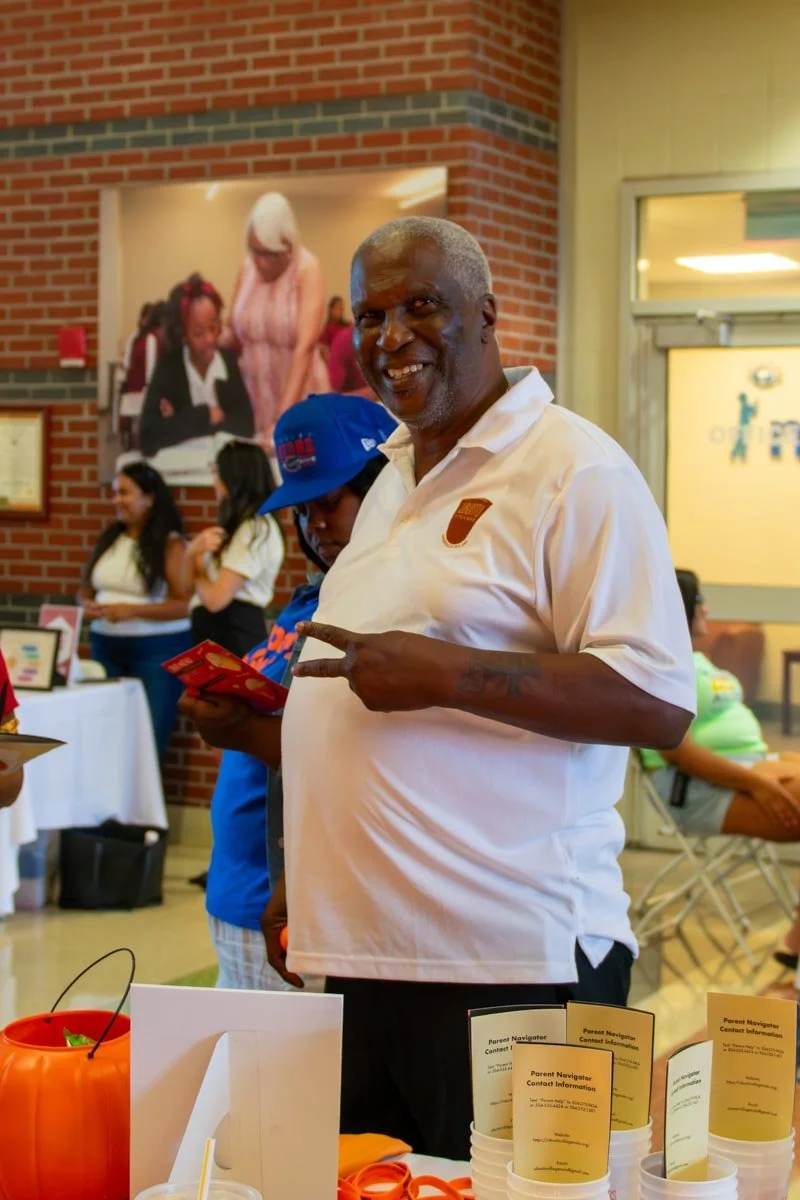
a resource fair with Youth Master Plan partners -- to showcase a slice of the broad network of community organizations who show up for our city’s youth and their families.
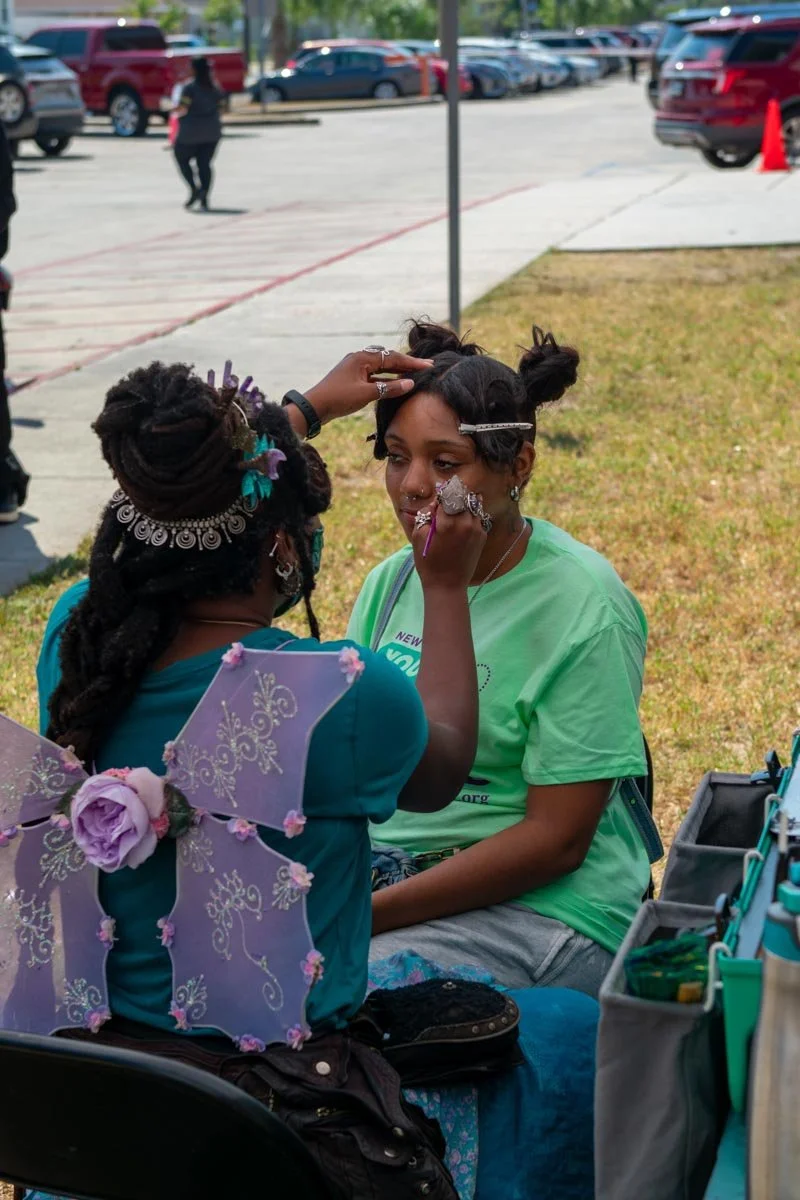
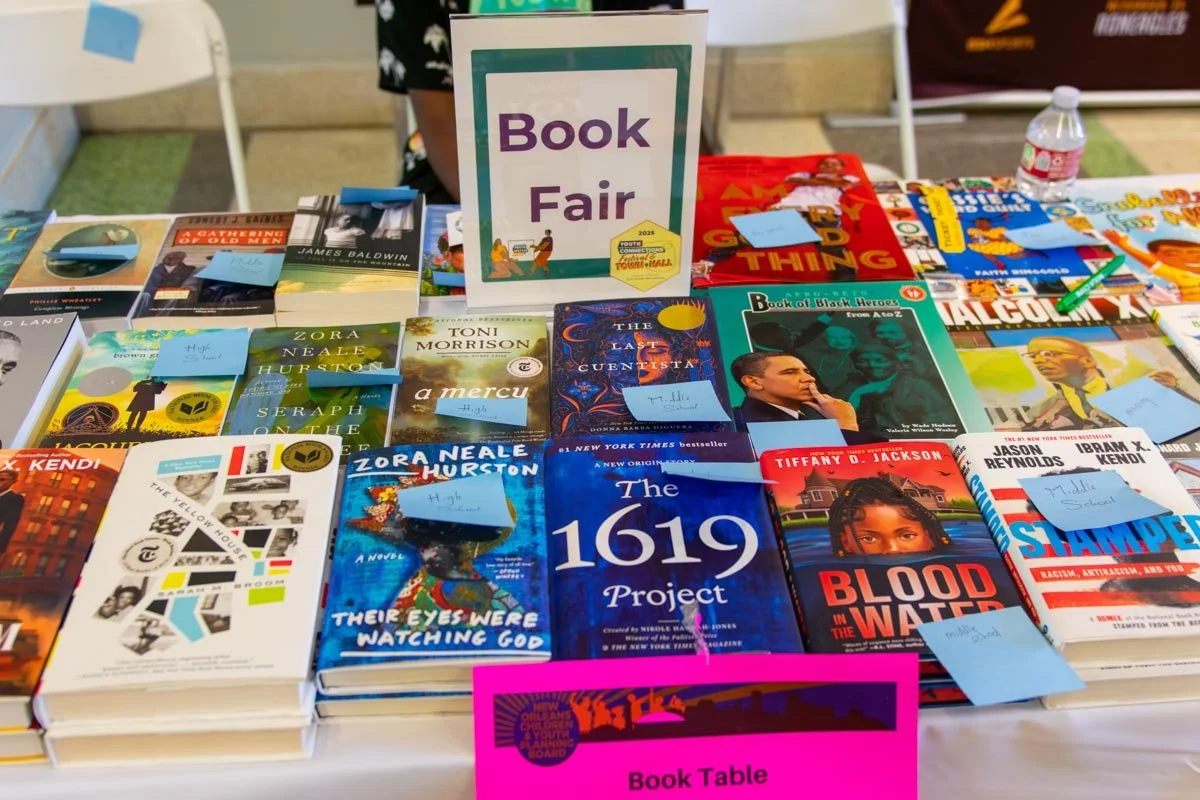
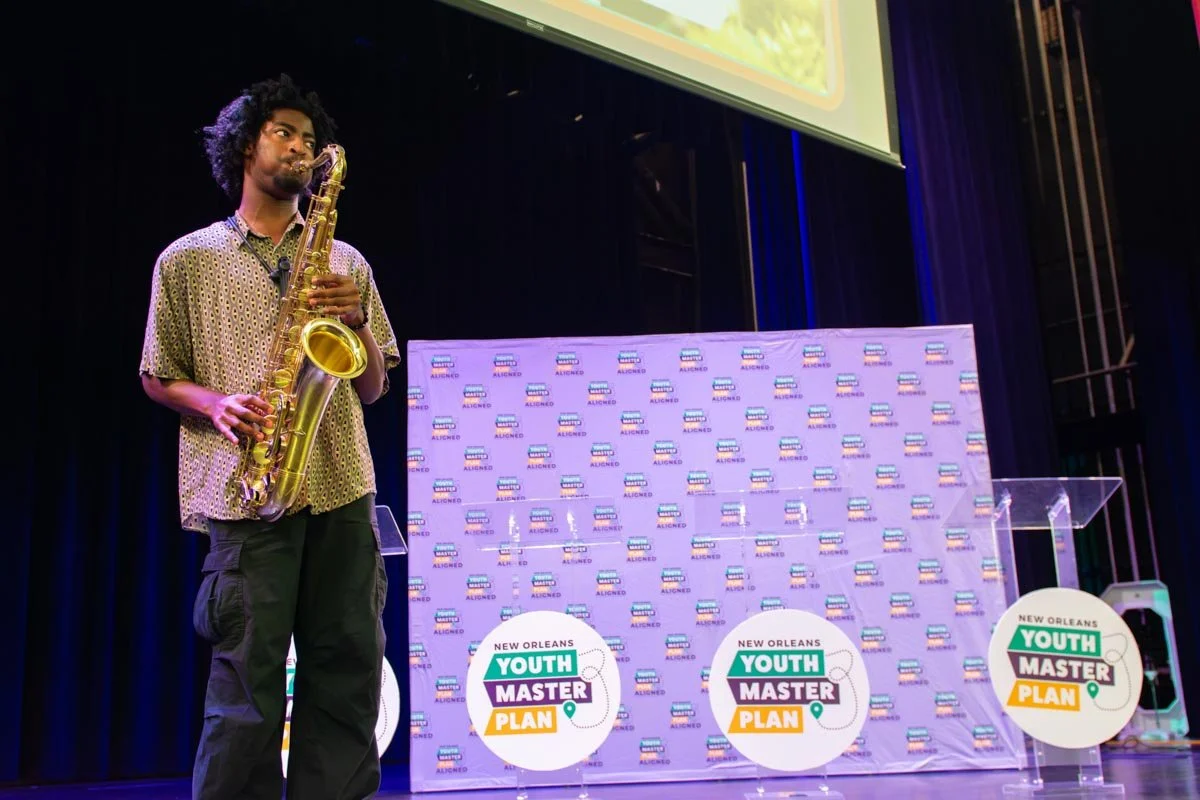
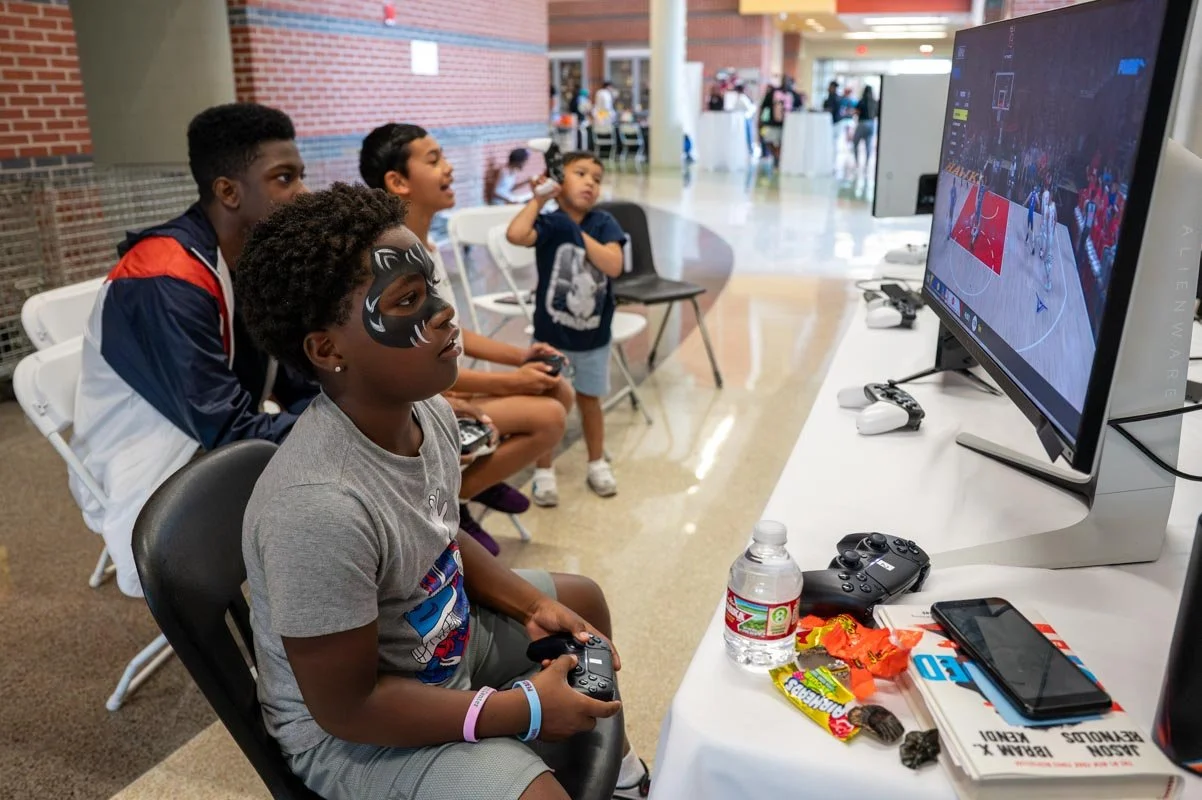
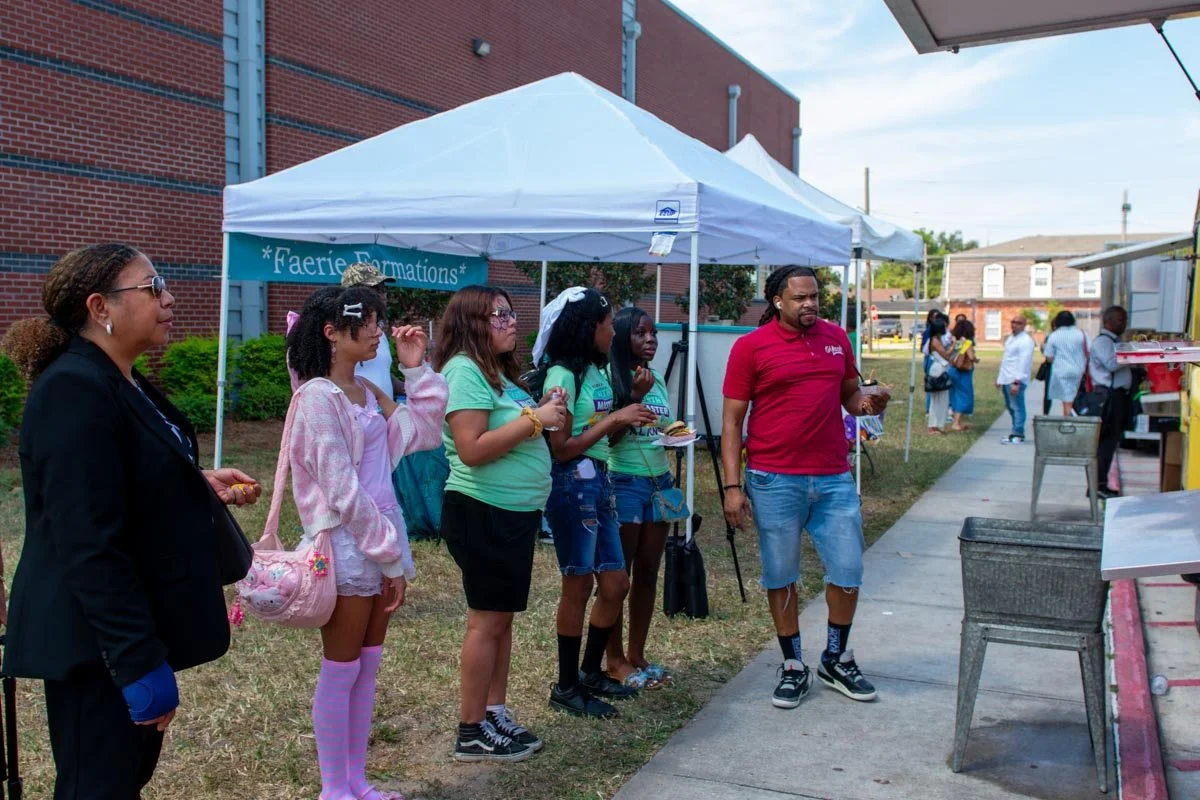
DJ’s, free food, games, book giveaways, face painting, raffle prizes, and performances -- to celebrate our community, our joy, and our future.

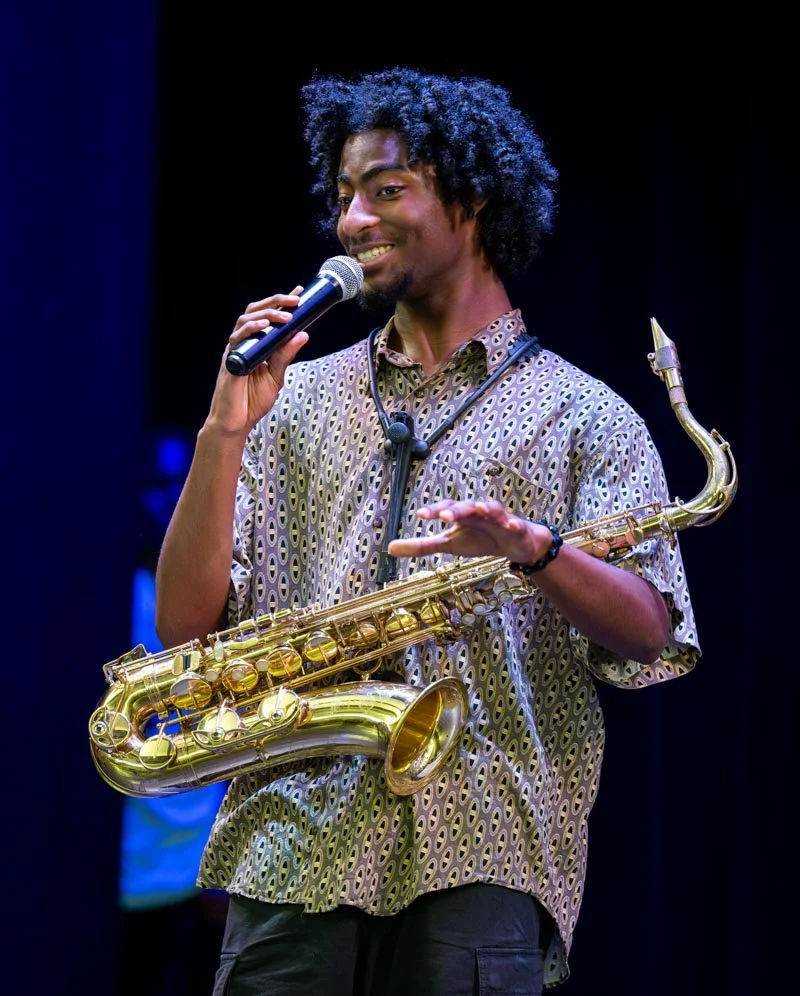
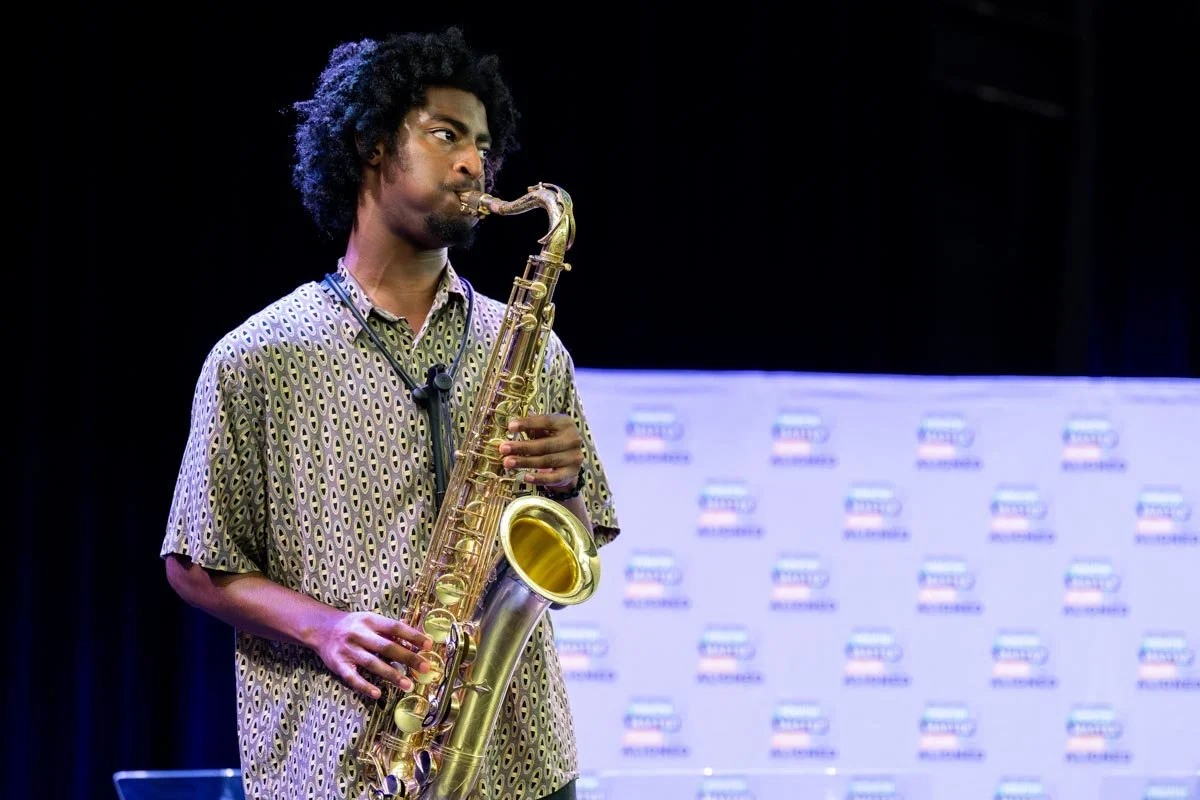
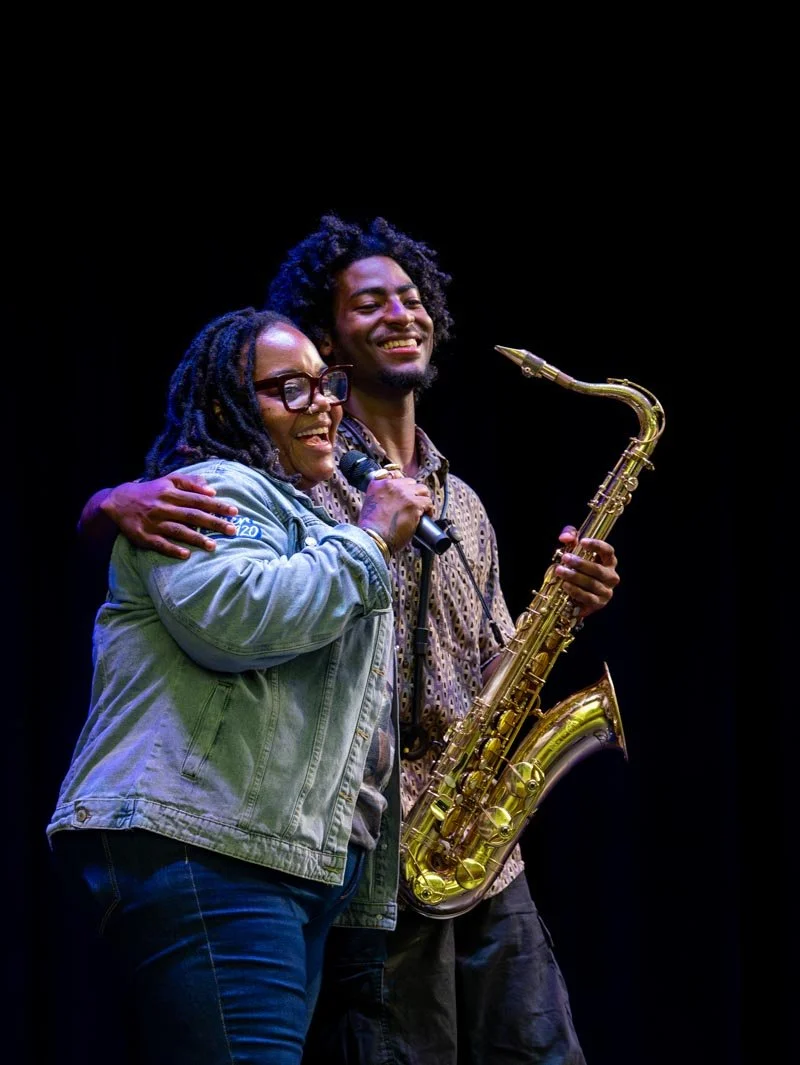
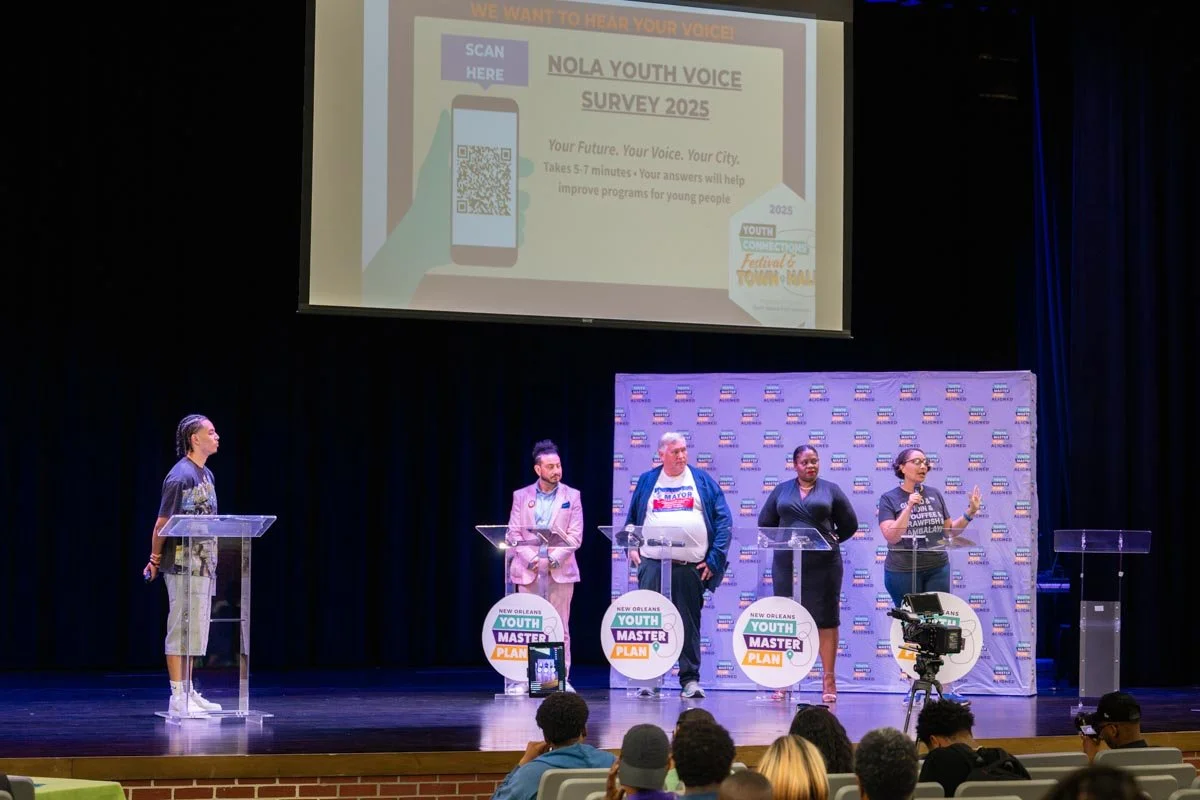
Youth Voice is at the center, and Youth Vision is the north star.
We worked with partners at Families and Friends of Louisiana’s Incarcerated Children (FFLIC), the Coalition for Compassionate Schools (cforcs), Ride New Orleans, Ubuntu Village, Our Voice Nuestra Voz, and the Louisiana Center for Children’s Rights (LCCR) to hold story circles with young people and parents all over the city.
These circles gave youth and parents a chance to share their experiences, ideas, and solutions in their own words, which shaped the questions asked and stories shared at the Youth Connections Festival & Town Hall.
“If You Lead Us, You Must Listen To Us”
Shoutout to The 7 That Make It Happen:
One of those story circles was with The Seven That Make It Happen—a youth council of 16- and 17-year-olds who are detained pre-trial in Orleans Parish’s juvenile jail, the Juvenile Justice Intervention Center.
Based on their story circle conversations, The Seven That Make It Happen co-wrote the essay, “If You Lead Us, You Must Listen To Us.” Their message was brought directly to mayoral and city council candidates — along with many other adults, youth, systems leaders, and community members — when part of the essay, read aloud and recorded by one of The Seven, was played during the candidate forum.
The questions asked to candidates were guided by the Youth Master Plan guiding principles, solutions, goals, and progress:
Share about a place in New Orleans that brings you joy and is welcoming to young people.
New Mexico just passed a universal childcare policy that will make child care free for all families, regardless of income. The policy removes income eligibility thresholds, increases pay for childcare providers, expands facilities through low-interest loans, and reduces financial burdens for families. Meanwhile, New Orleans has been losing population, and remaining families are asking what will make it easier to stay here and raise children. While our city has a millage for early care, it comes with income thresholds, doesn’t provide enough funding to raise provider pay appropriately, and it relies upon uncertain state matching funds. With that in mind, what family-friendly programs will your administration prioritize that make New Orleans more livable?
The Youth Master Plan says every young person deserves to be safe, supported, and treated fairly, with access to arts, recreation, mentorship, mental health supports, and jobs that pay a living wage. But right now, about 30% of juvenile arrests in New Orleans are for minor things like marijuana possession, shoplifting, or school fights. Those arrests can block us from the very opportunities we need to succeed. What specific programs would you fund to reduce youth incarceration while making sure young people have affordable, year-round opportunities to learn and grow? And how will you strengthen tools like the Policing Alternatives for Youth (PAY) ordinance or Restorative Approaches to lower the juvenile jail population and connect us to the supports promised in the Youth Master Plan?
The Youth Master Plan’s Solution Space and Place says that the public transit system in New Orleans should cover the whole metro area, be safe, and low-cost or free for young people. The Opportunity Pass is a pilot that’s now in its second year and gives people ages 16–24 free access to public transit so we can get to school, work, and community opportunities. It started with ARPA funding, but we know the City often builds on pilots by bringing in more support from philanthropy, the state, or other partners. What ideas do you have to make sure this program and public transit for youth can keep going and grow stronger? What resources would you go after to make that happen?
In New Orleans, Opportunity Youth—young people ages 16–24 who are disconnected from school and work—face significant barriers to education, training, and employment. This year, the New Orleans Opportunity Youth Collaborative, an ecosystem of employers, advocates, youth, and providers, reported connecting 502 young people, resulting in a 7% decrease in disconnection based on Measure of America’s estimate of 6,800 youth. However, with recent federal cuts, philanthropic pullback, and city budget reductions, we risk seeing these numbers rise again. If elected, what specific actions or investments would you prioritize to support Opportunity Youth in New Orleans, ensuring they have pathways to education, training, and meaningful employment?
Young people across New Orleans are telling us that mental health is one of the biggest issues we face. Through YPAR programs—youth participatory action research projects where young people study and push for change in our own communities—we’ve seen that mental health keeps coming up as a priority. Partners like the Coalition for Compassionate Schools, the New Orleans Children’s Bureau, and the Institute for Women and Ethnic Studies are already leading important work, but in a funding-strapped environment, mental health is often the first thing cut. How will you make sure youth mental health and wellbeing stay at the center—including training, education, and direct services—that are culturally competent, shaped by youth voice, and actually accessible so young people know about and can use these programs?
A recent article in NOLA.com highlighted that today, young people in the Lower 9th Ward have no public high school in their neighborhood. Students like Johnny Davis must travel across the city for education, creating barriers to access, stability, and opportunity. While the city does not directly oversee schools, the Youth Master Plan calls on leaders to ensure equitable learning opportunities for all youth. If elected, how would you use the tools of city government to make sure young people in the Lower 9th Ward are not continually neglected? Please share a concrete action you would take within the first two years of your term to address this challenge.
Many of my classmates and friends are worried about how New Orleans works with ICE, especially since Louisiana has so many detention centers and with the looming federal occupation. Will you commit to ensuring the city’s money is not used to collaborate with ICE—whether in our jails, by police, or through facial recognition cameras? Yes or no.
In Orleans Parish, 23% of households live in poverty and another 29% are ALICE households, meaning they work but still cannot afford basic essentials. That means more than half of New Orleans families are struggling to make ends meet. Would you support expanding the living wage beyond contractors and covered employees so that more youth and families benefit? Yes or no.
Will you support keeping the Mayor’s Office of Youth and Families—with dedicated staff and resources—in your administration? Yes or no.
Would you support the creation of a dedicated children’s fund as part of the City budget? Yes or no.
Will you support keeping the Mayor’s Office of Youth and Families—with dedicated staff and resources—in your administration? Yes or no.
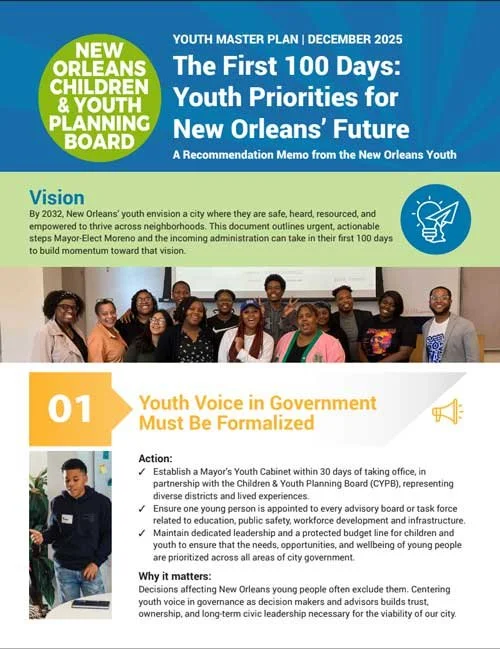
New Orleans’ youth envision a city where they are safe, heard, resourced, and empowered to thrive across neighborhoods.
The First 100 Days: Youth Priorities for New Orleans Future
Shaped by the youth-led candidate forum, sharing circle stories from youth, and Youth Master Plan implementation, CYPB outlined for Mayor-Elect Moreno and the incoming administration to build momentum toward that vision.
Five priorities surfaced for the administration to focus on:
Youth Voice in Government Must Be Formalized
Prioritize Investment in Safe and Modern Learning Environments
Expand Access to Youth Transportation and Mobility
Jumpstart Youth Employment Pathways and Economic Opportunity
Invest in Mental Health and Community Safety Infrastructure
Thank you to the 2025 Youth Connections Festival & Town Hall sponsors, supporters, and planning partners!
Sponsored by: New Orleans MacArthur Foundation Safety and Justice Challenge Racial Equity Cohort, led by Total Community Action – Agents of Change
Hosted by: